
Blog
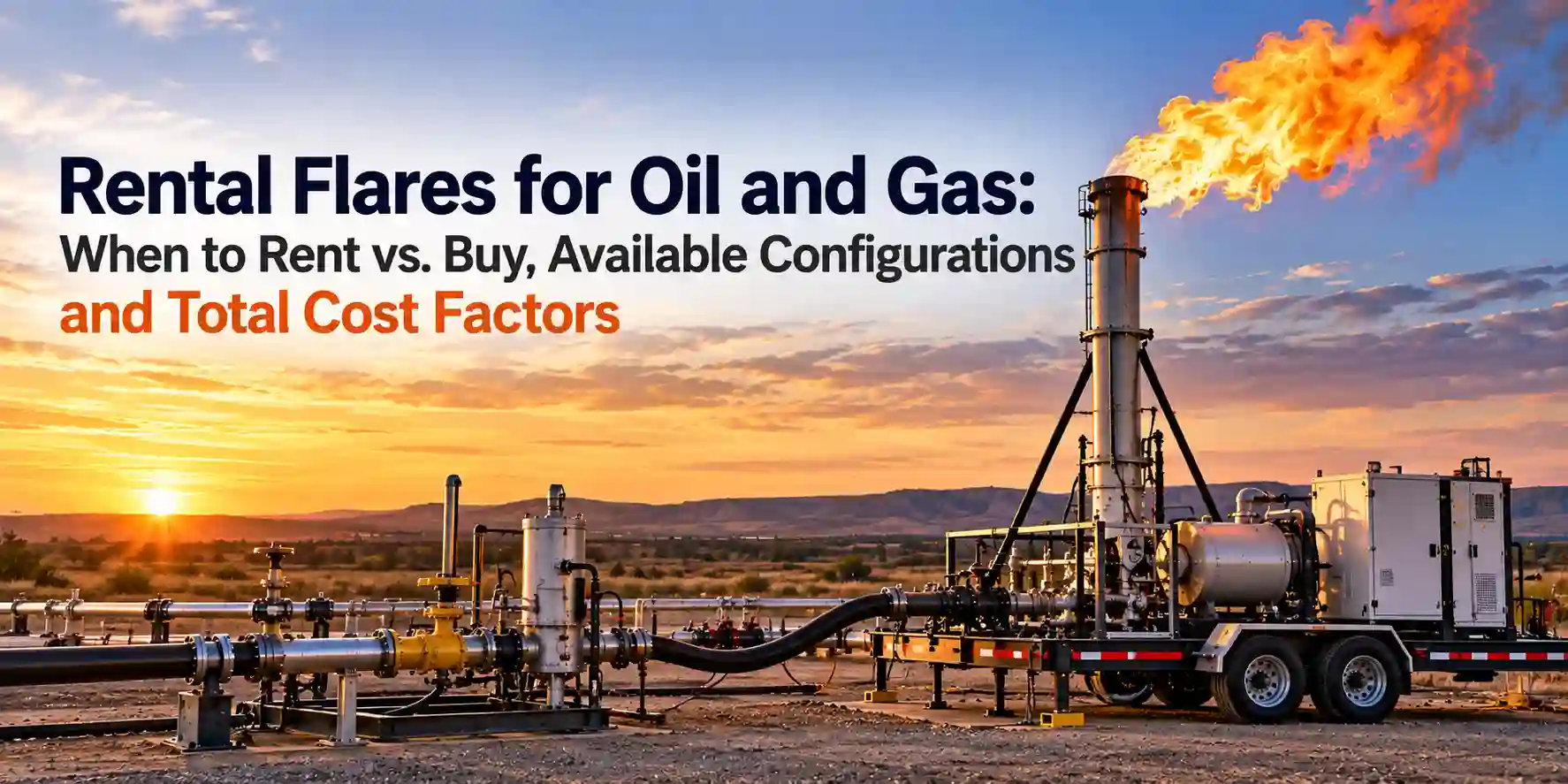
Rental Flares for Oil and Gas: When to Rent vs. Buy, Available Configurations and Total Cost Factors
Rental flares provide fast-deploy combustion control for planned turnarounds, well testing, emergency flaring and bridge-gap emissions compliance. Learn when a rental flare is the right[…]
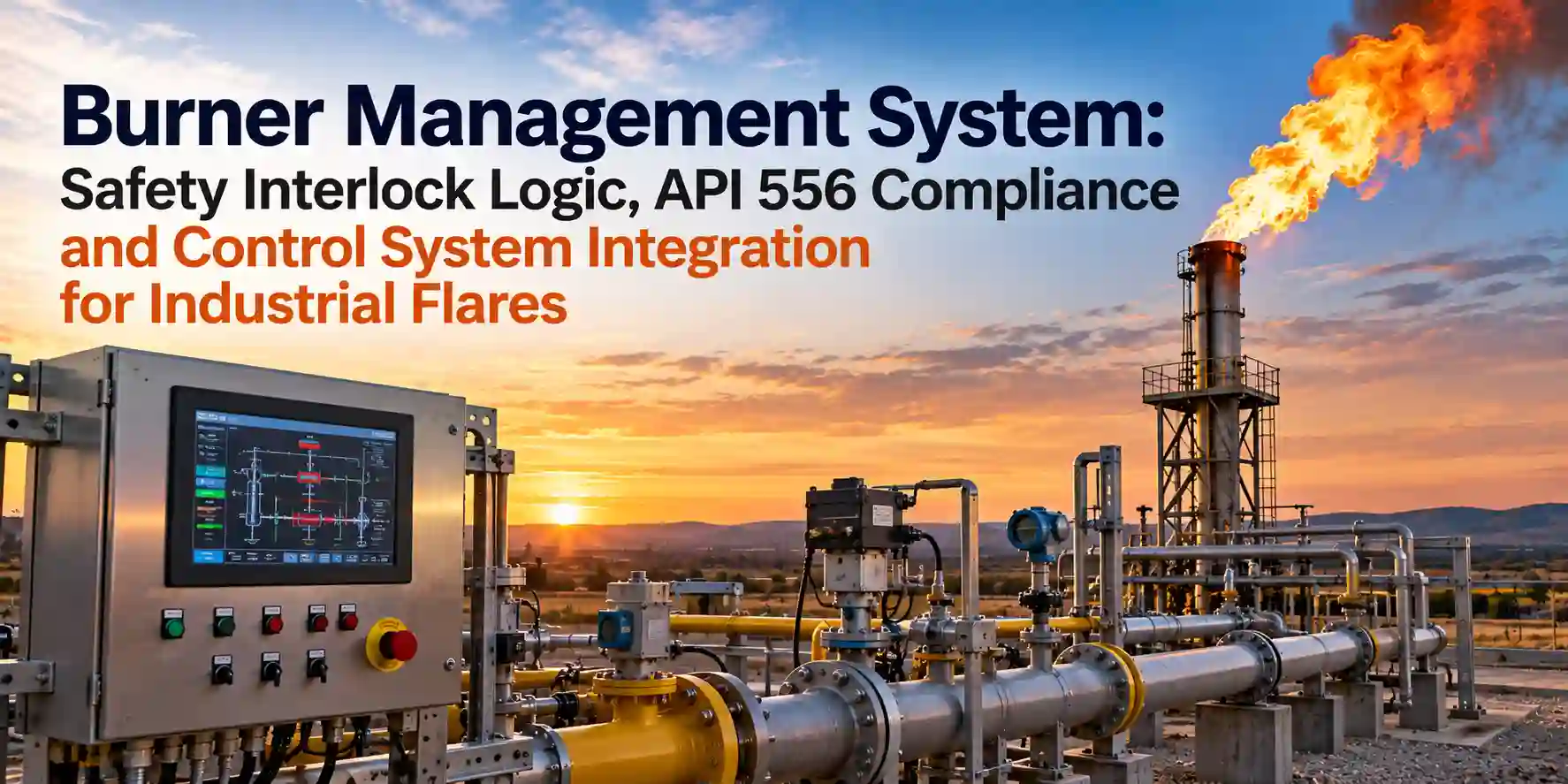
Burner Management System: Safety Interlock Logic, API 556 Compliance and Control System Integration for Industrial Flares
A burner management system governs ignition sequencing, flame monitoring and automatic fuel shutoff for EPA OOOOb-regulated flares. Learn how API 556 compliance, SIL-rated safety PLCs[…]
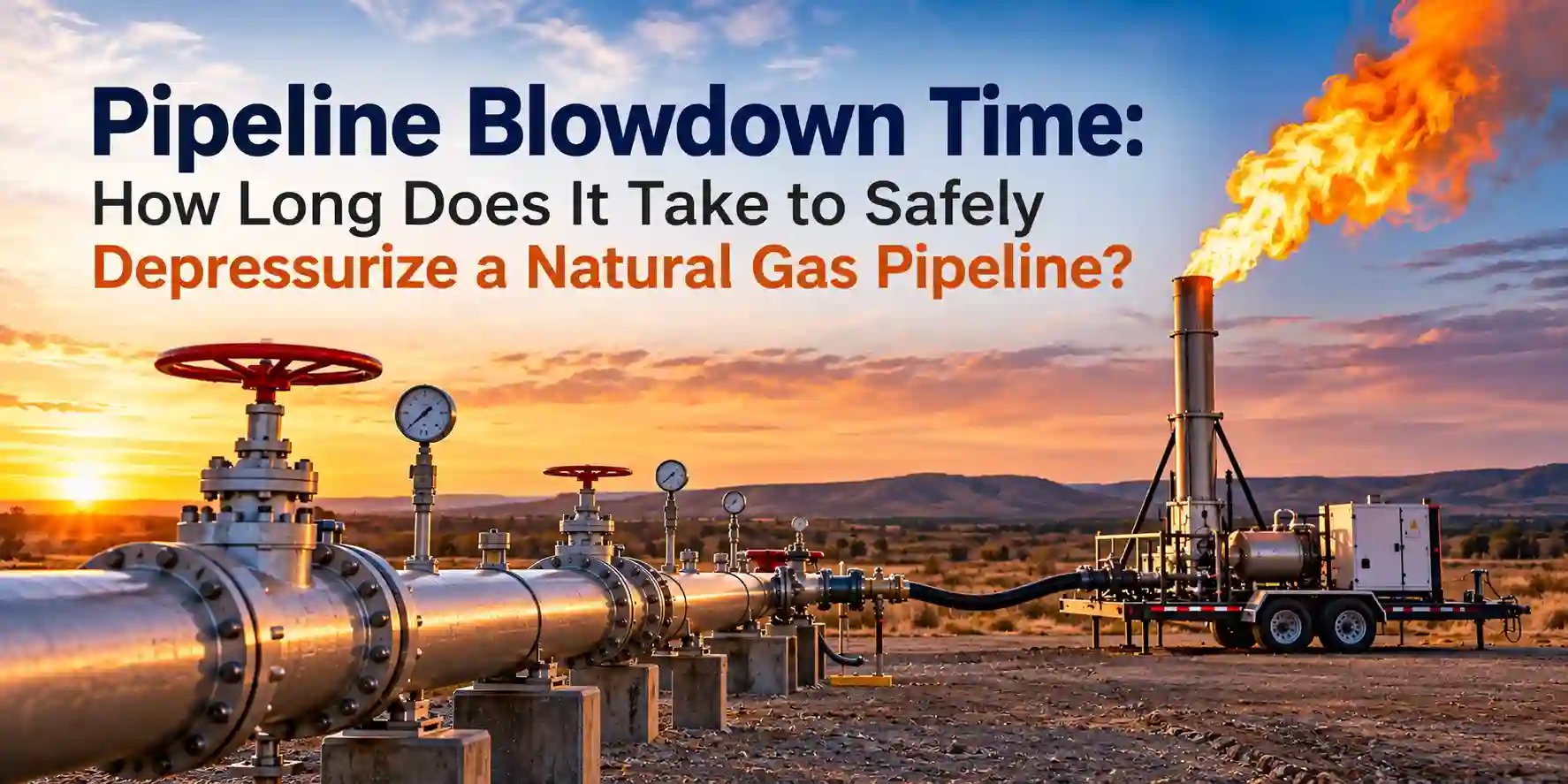
Pipeline Blowdown Time: How Long Does It Take to Safely Depressurize a Natural Gas Pipeline?
Pipeline blowdown time depends on gas volume, initial pressure, flare capacity, and temporary piping restrictions. Learn what information you need to estimate your blowdown duration.
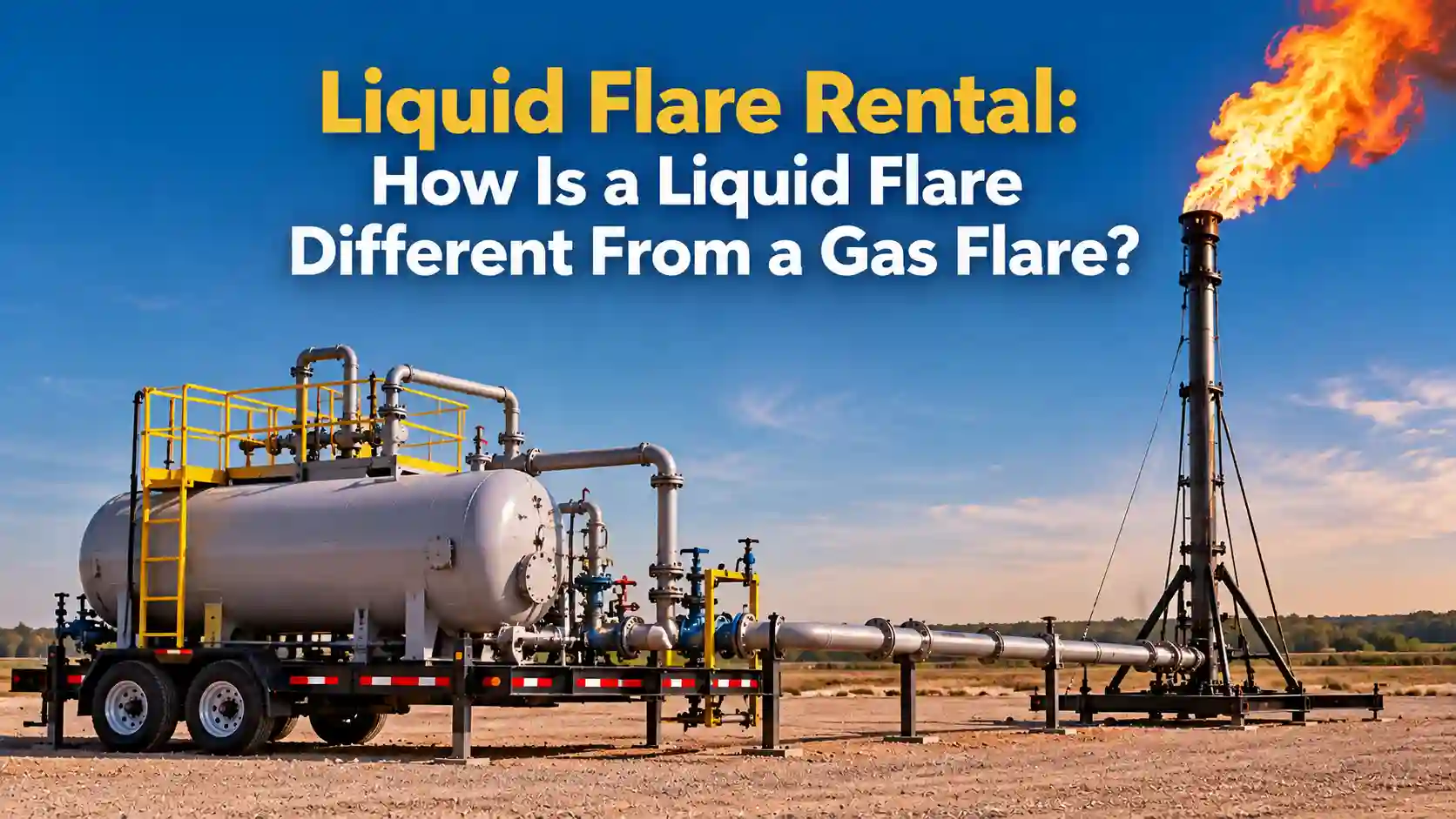
Liquid Flare Rental: How Is a Liquid Flare Different From a Gas Flare?
A standard gas flare is designed to combust vapor-phase hydrocarbons. Its burner tip, pilot system, and combustion configuration assume that what enters the stack is[…]
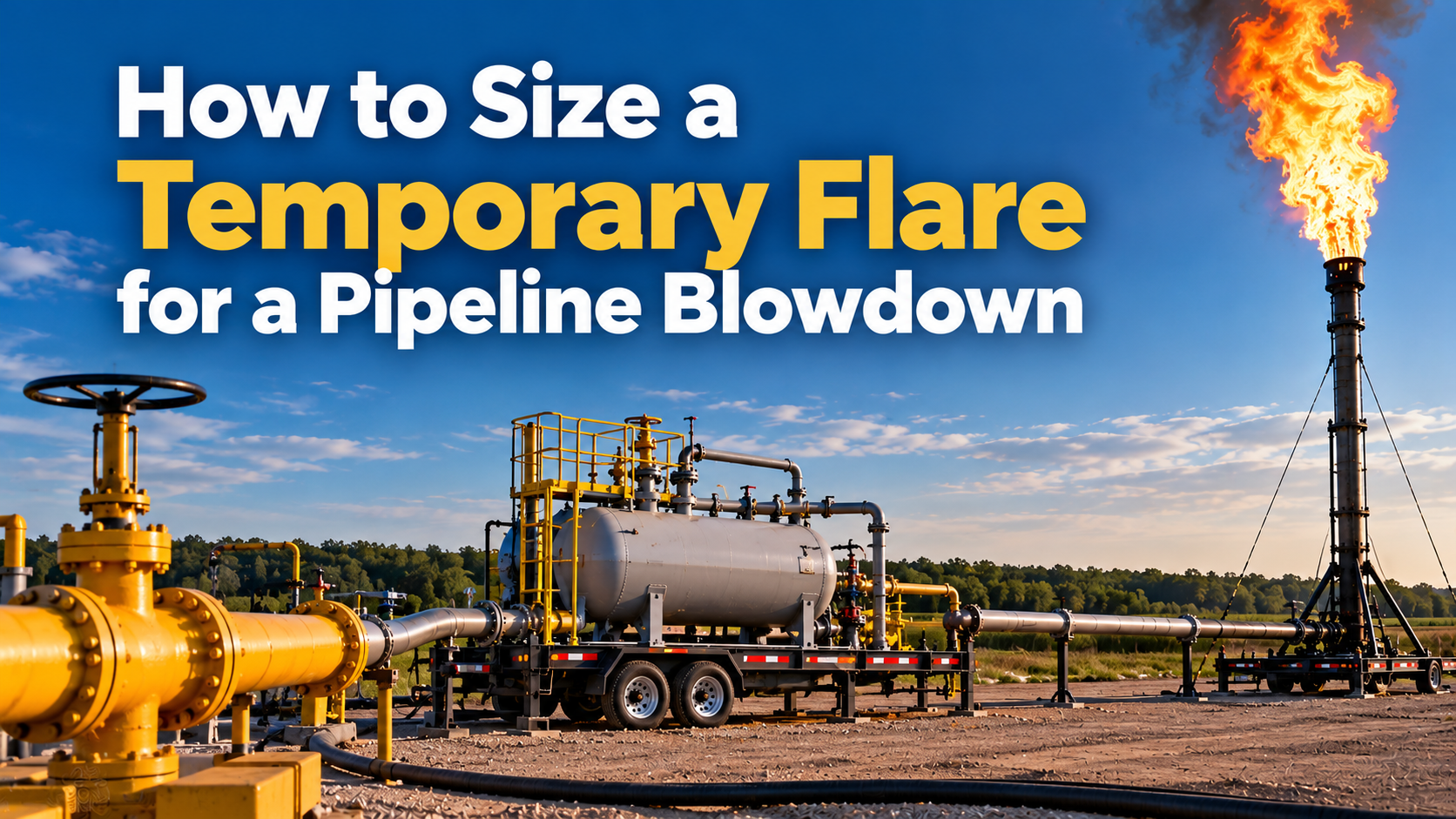
How to Size a Temporary Flare for a Pipeline Blowdown
Pipeline blowdowns generate transient gas releases that differ from normal production loads in both volume and rate of flow. When an isolated segment is depressurized,[…]
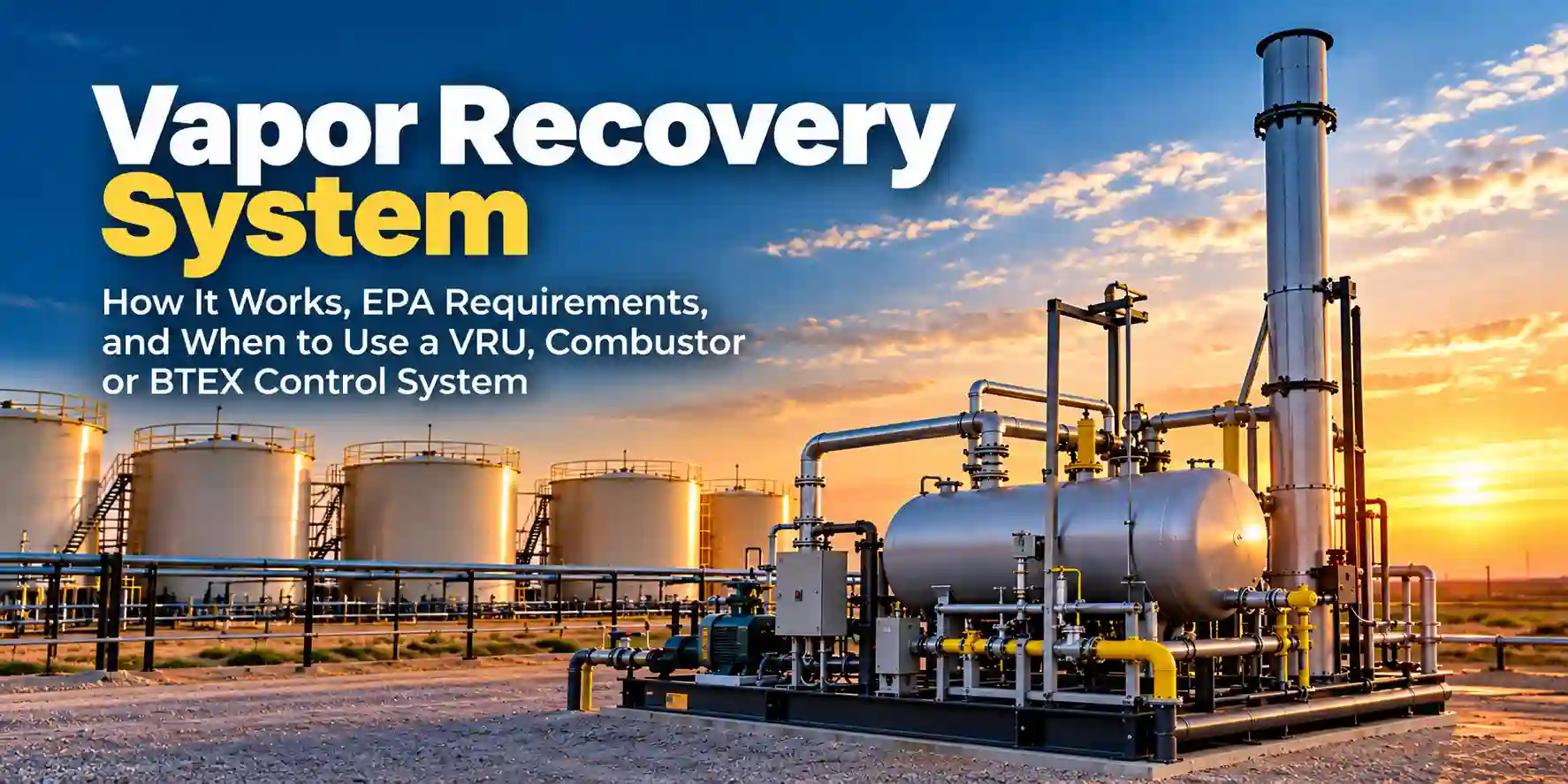
Vapor Recovery System: How to Control Fugitive Emissions at Oil and Gas Production Sites
WHAT YOU’LL LEARN IN THIS GUIDE What a vapor recovery system is and how it differs from a flare or vapor combustor Which EPA regulations[…]
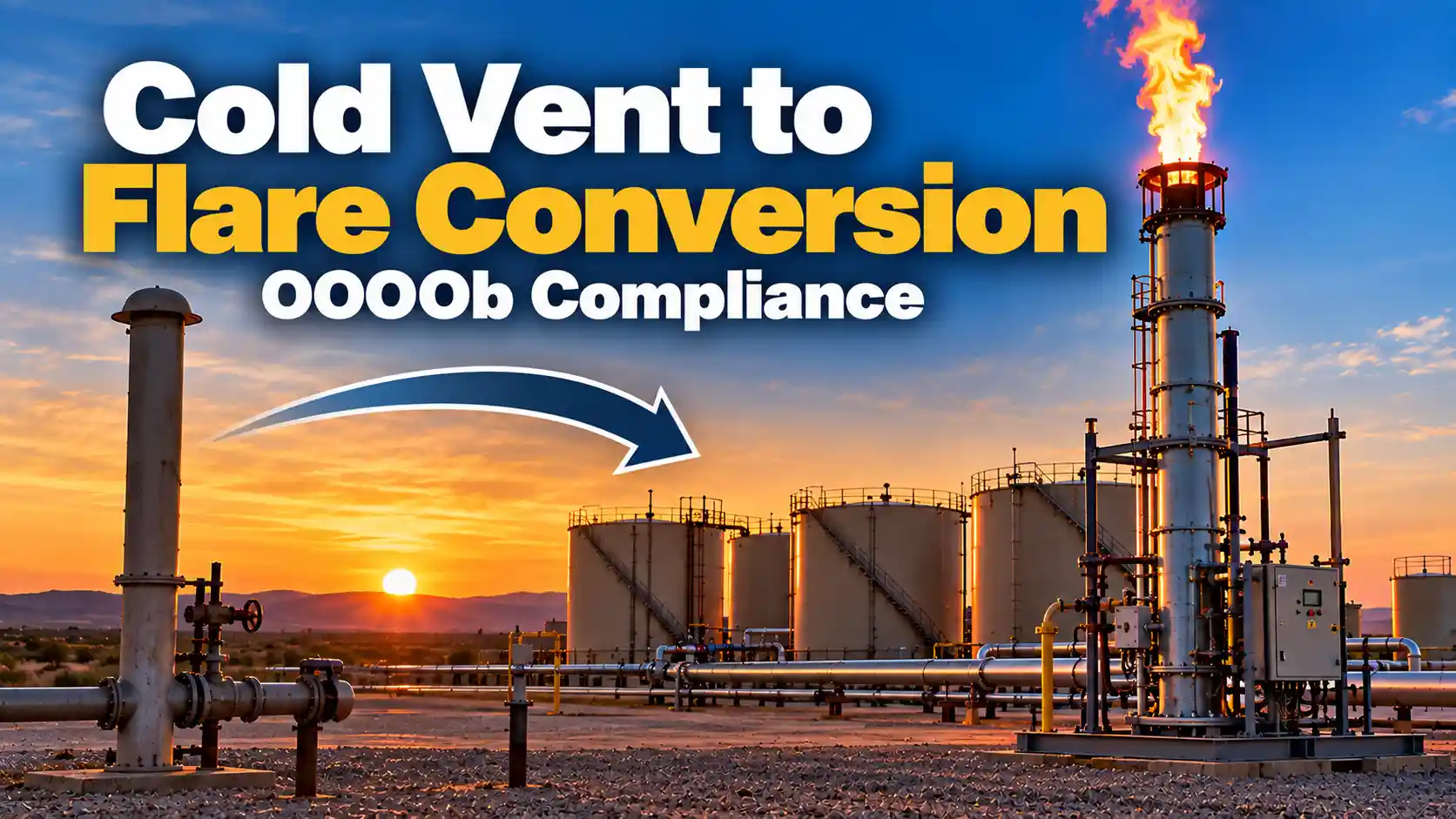
Cold Vent to Flare Conversion: OOOOb Compliance
Cold vent to flare conversion for EPA OOOOb, IRA methane fee, and state rules: engineering steps, technology selection, and payback.
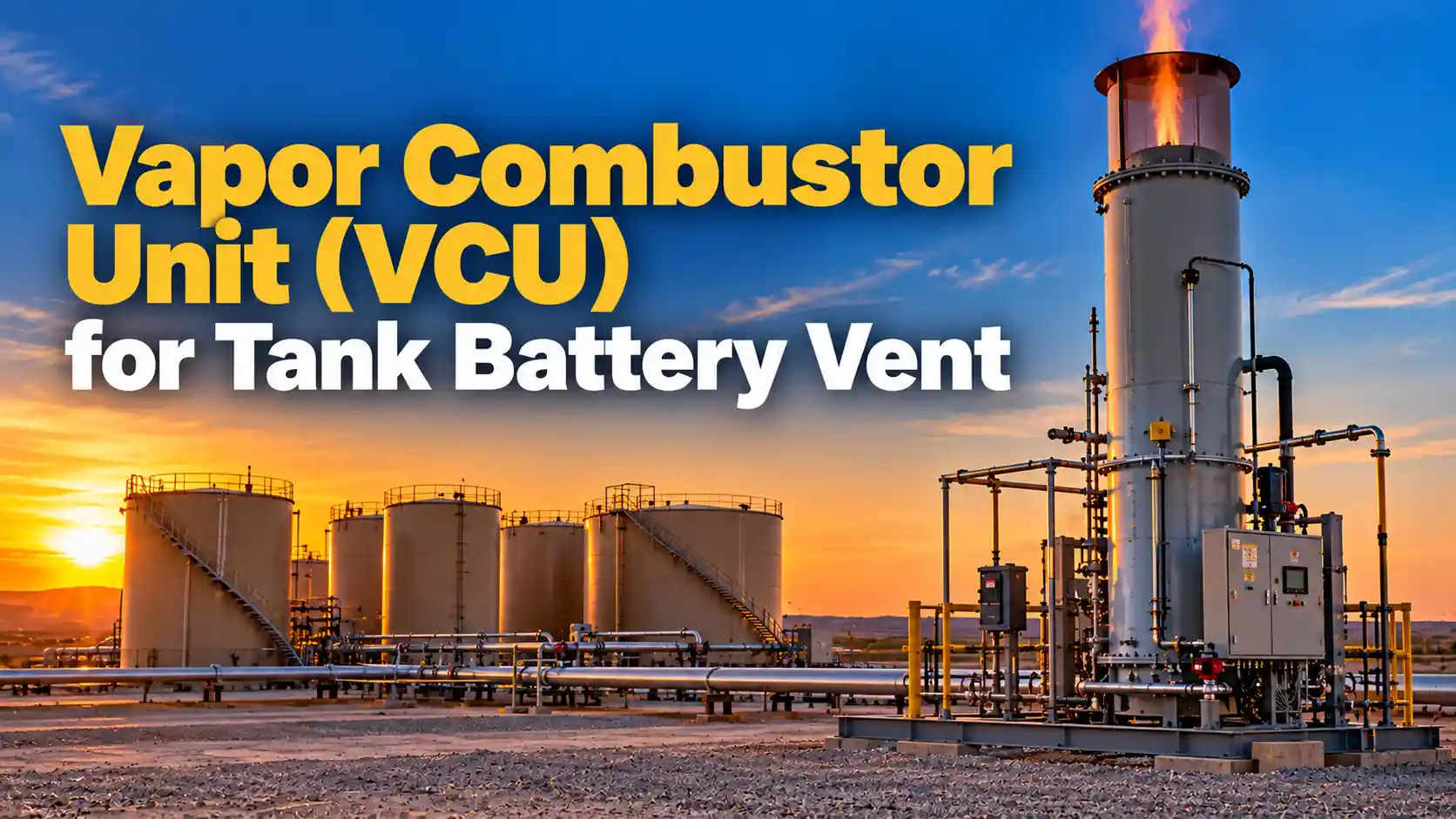
Vapor Combustor Unit (VCU) for Tank Battery Vent
Vapor combustor unit (VCU) for tank battery vent gas: working losses, flash gas, Quad O sizing, and VCU vs flare vs VRU selection.
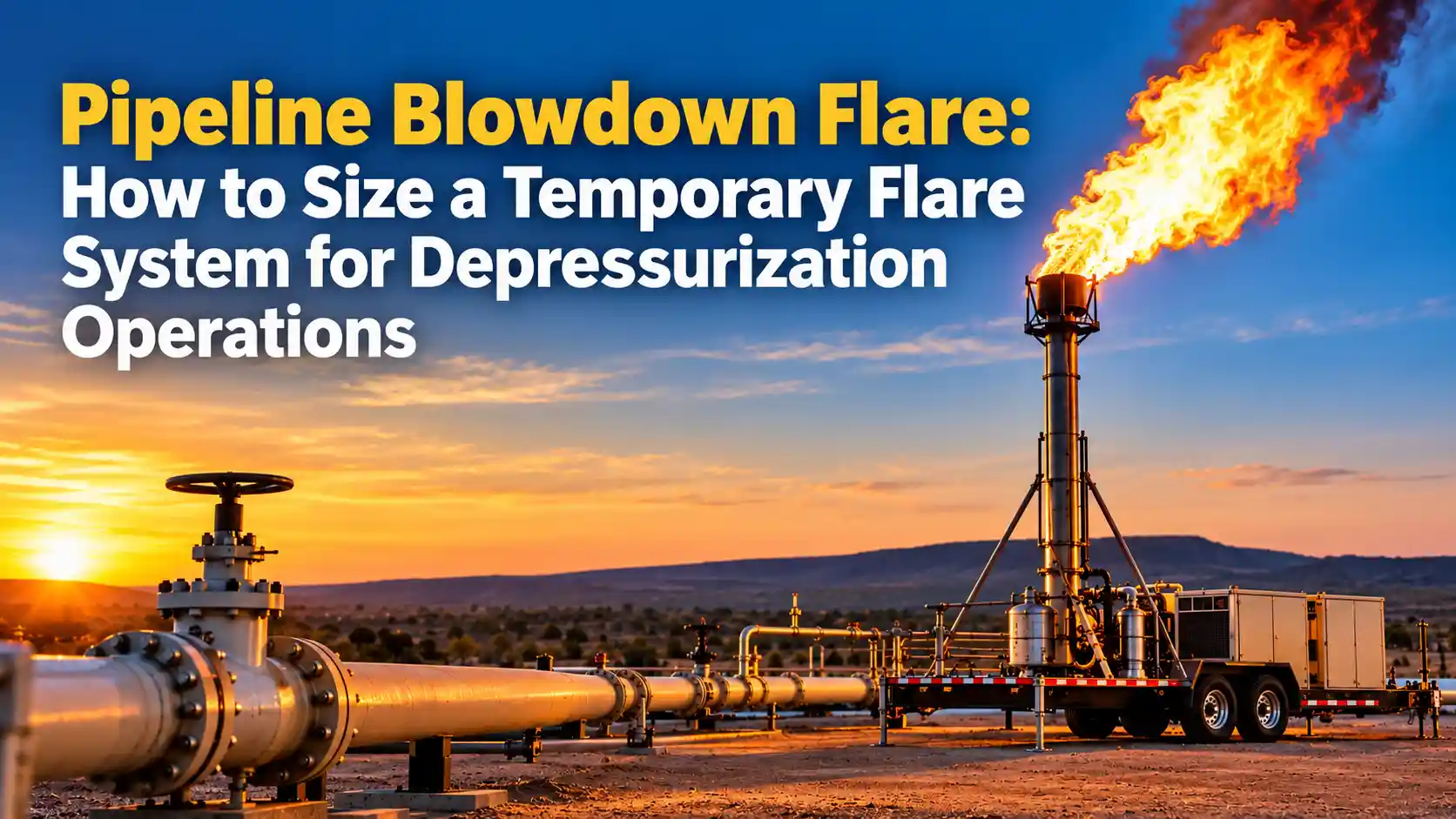
Pipeline Blowdown Flare: How to Size a Temporary Flare System for Depressurization Operations
OIL & GAS EQUIPMENT | Updated September 2026 | 8 min read WHAT YOU’LL LEARN IN THIS GUIDE How pipeline blowdowns generate peak flow rates[…]
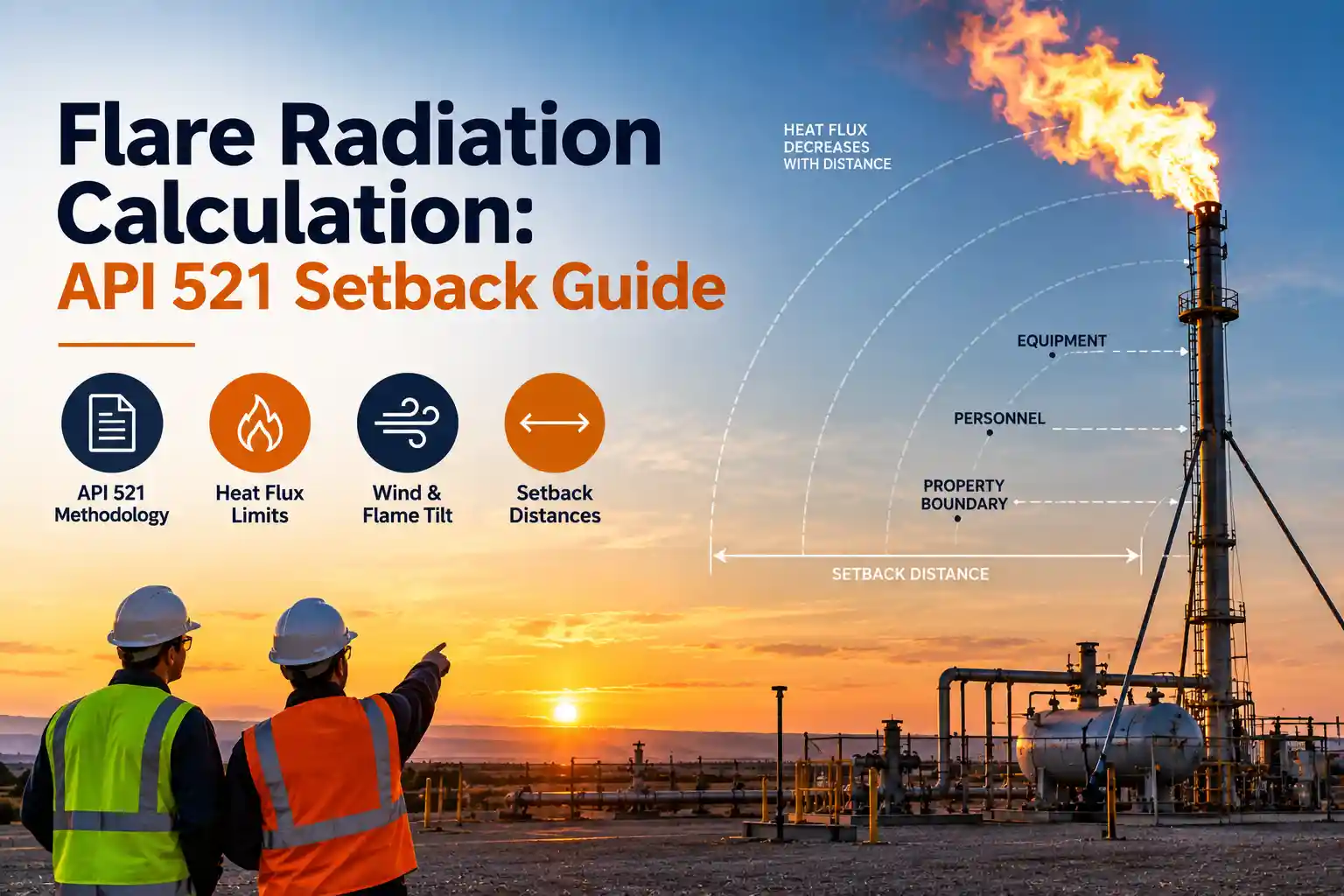
Flare Radiation Calculation: API 521 Setback Guide
Flare radiation calculation per API 521: heat flux limits, flame tilt, wind effects, and setback distance for safe flare siting.
 Hero Process Solutions
Hero Process Solutions provides industry-leading emission control and vapor management equipment for the oil and gas industry, delivering reliable solutions that keep operations compliant and efficient.
© 2026 Hero Process Solutions. All rights reserved.