
Blog
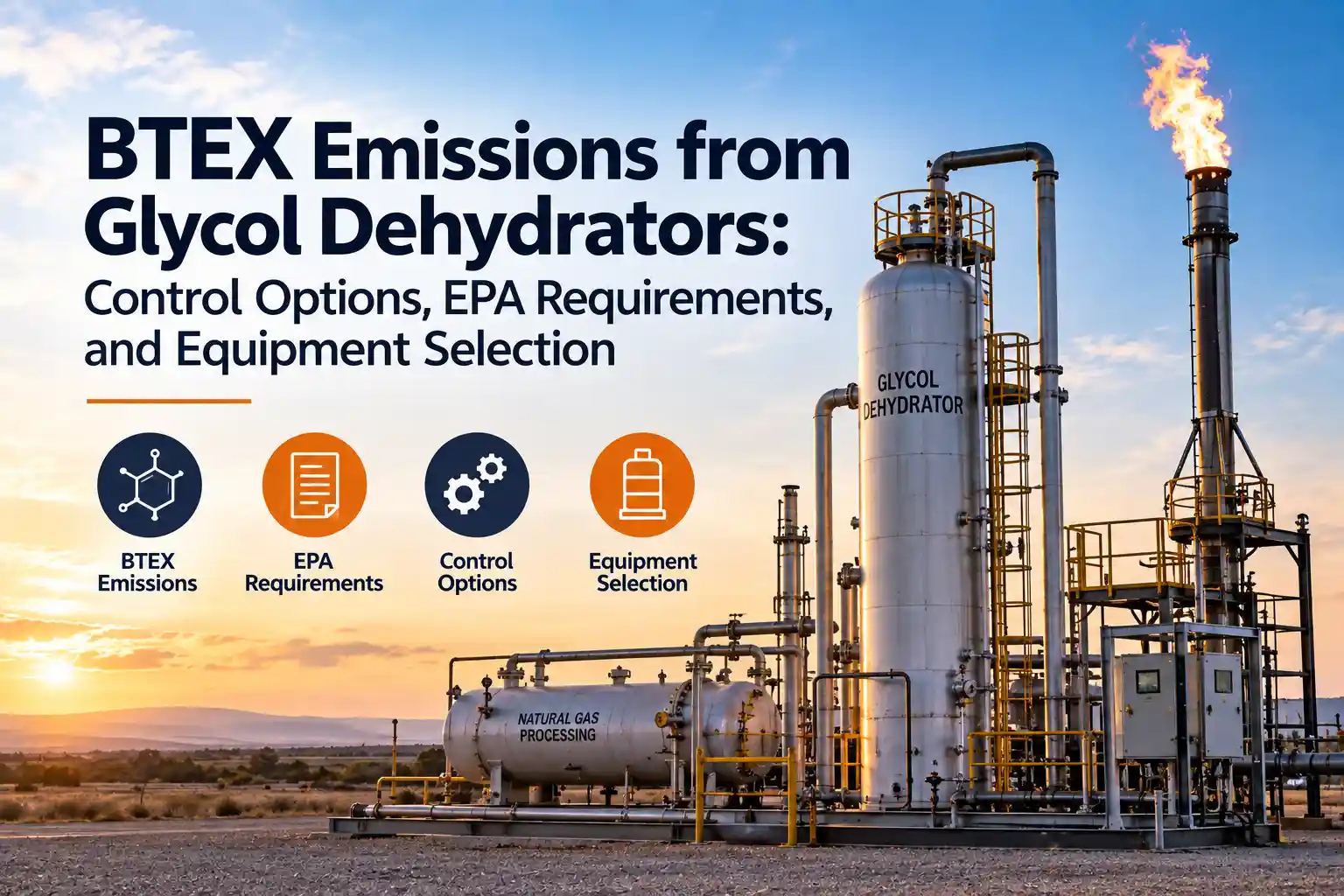
BTEX Emissions from Glycol Dehydrators: Control Options, EPA Requirements, and Equipment Selection
Glycol dehydrators are one of the largest sources of benzene, toluene, ethylbenzene, and xylene (BTEX) emissions at natural gas production, gathering, and processing facilities. When[…]
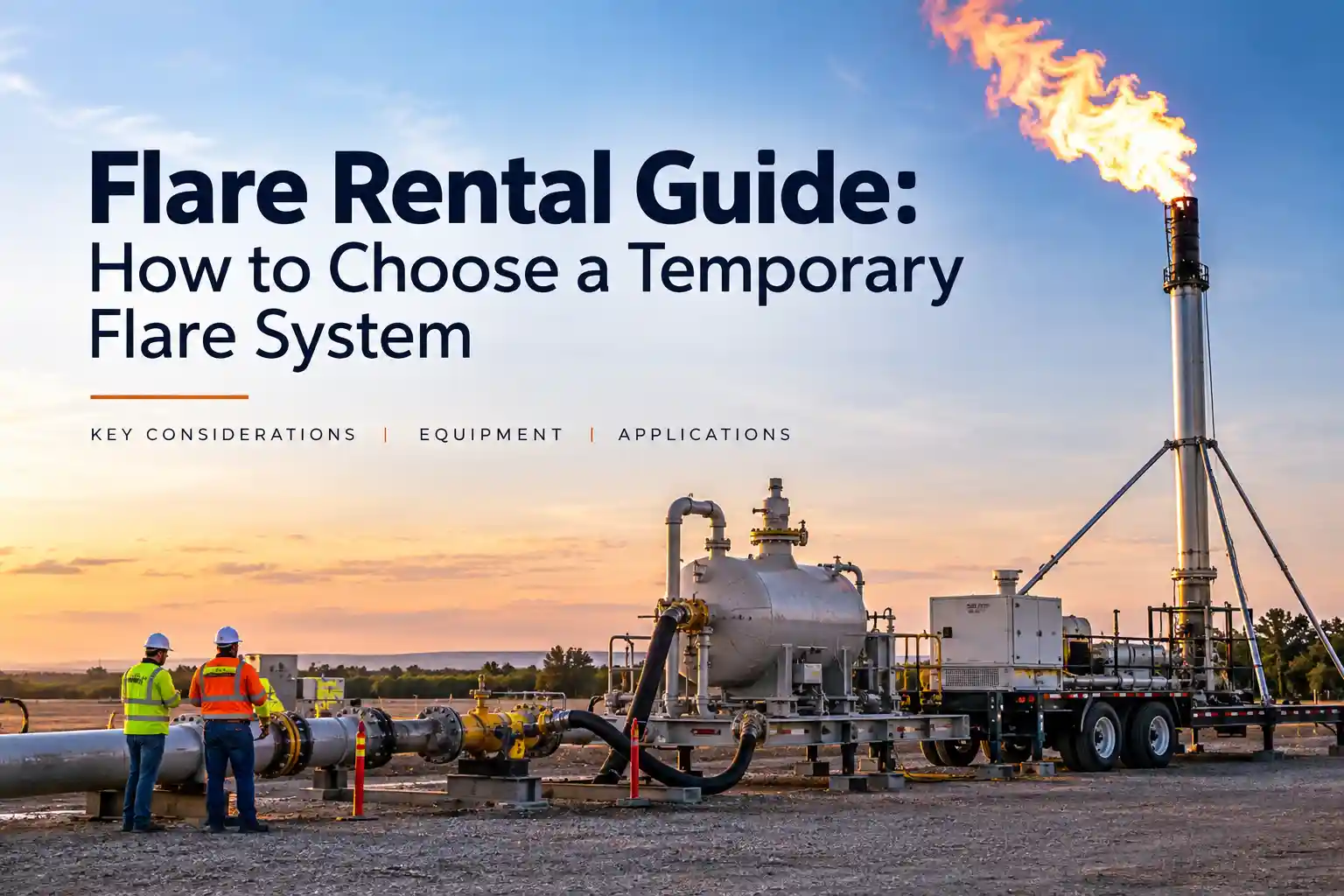
Flare Rental Guide: How to Choose a Temporary Flare System
OIL & GAS EQUIPMENT | Updated September 2026 | 8 min read WHAT YOU’LL LEARN IN THIS GUIDE When a flare rental is the right[…]
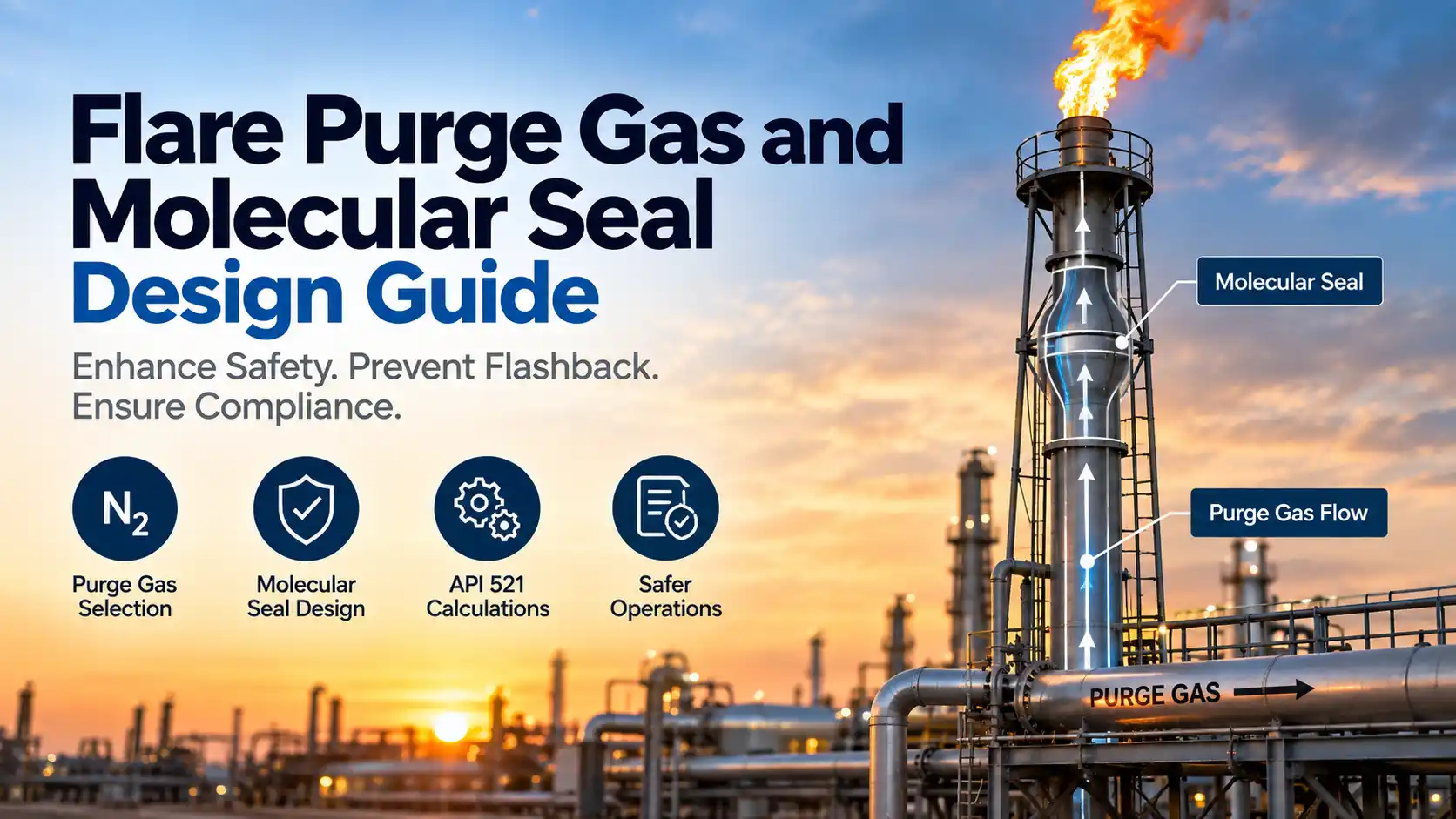
Flare Purge Gas and Molecular Seal Design Guide
Flare purge gas and molecular seal design: API 521 purge rate, nitrogen vs fuel gas, seal geometry, and flashback prevention.
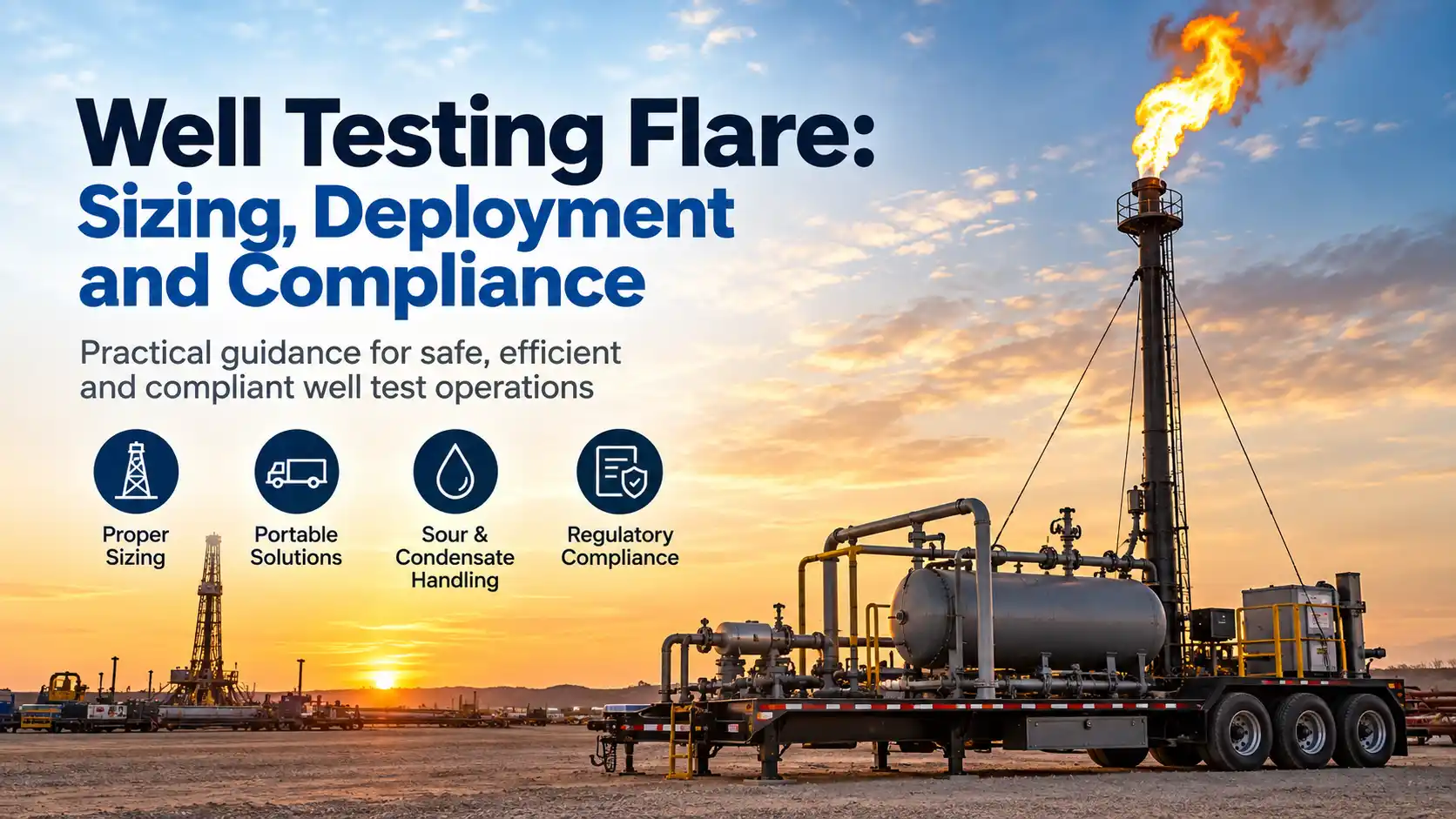
Well Testing Flare: Sizing, Deployment and Compliance
Well testing flare sizing for peak flowback, portable and trailer deployment, sour handling, EPA OOOOb, and green completion rules.
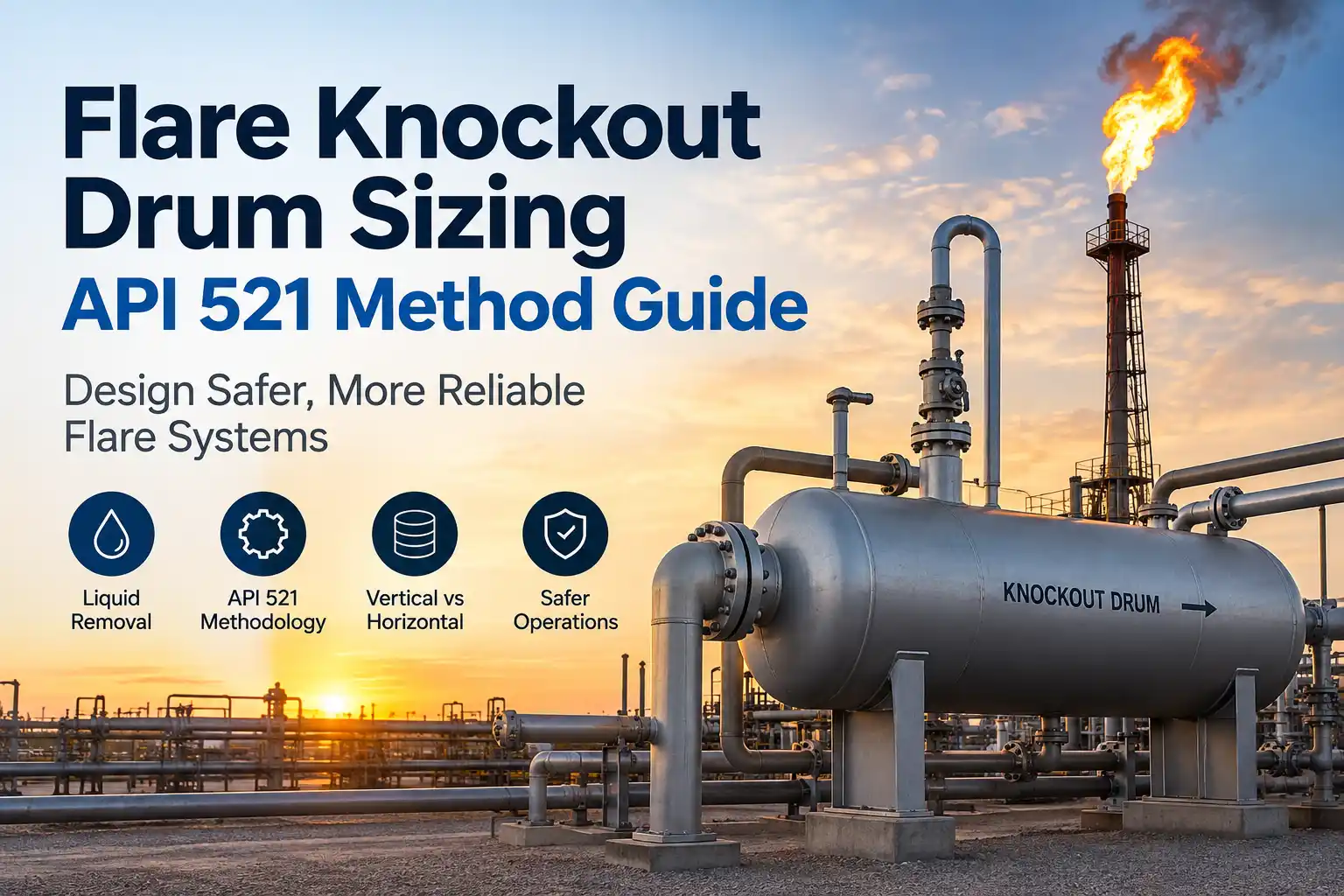
Flare Knockout Drum Sizing: API 521 Method Guide
Flare knockout drum sizing per API 521: vertical vs horizontal, droplet targets, residence time, boot volume, and OOOOb monitoring.

Vapor Recovery Unit Maintenance and Troubleshooting: Compressor Reliability, Common Failures, and Operational Best Practices
WHAT YOU’LL LEARN IN THIS GUIDE– The four most common vapor recovery unit failure modes and their root causes- How to build a weekly, monthly,[…]

How Flare Systems Reduce Emissions: Methane GWP, DRE Math, and Combustion Efficiency Explained
Flare systems reduce emissions by combusting methane and VOCs at 98%+ Destruction and Removal Efficiency (DRE), converting them to CO2 and water instead of releasing[…]

Key Features of a High-Quality Flare System: What Engineers Look For
The 7 key features of a high-quality flare system: 98%+ DRE performance, flare tip design, pilot reliability, assist media selection, materials, turndown range, and continuous[…]

Enclosed Flare vs Open Flare: Key Differences, Applications, and Which Suppliers Make Both
Enclosed flares and open flares both destroy waste gas through combustion, but they do it differently and the choice between them has significant consequences for[…]

Flare System Buying Guide: 8 Things Engineers Must Evaluate Before Purchasing
Selecting the wrong flare system creates compliance liability that outlasts the initial capital decision by years. This guide covers the eight evaluation criteria that production,[…]
 Hero Process Solutions
Hero Process Solutions provides industry-leading emission control and vapor management equipment for the oil and gas industry, delivering reliable solutions that keep operations compliant and efficient.
© 2026 Hero Process Solutions. All rights reserved.