

Flare & Combustion Systems for Marine and Offshore Facilities
FPSOs, offshore platforms, marine terminals, and LNG/LPG loading facilities require combustion equipment engineered for wind effects on flame stability, salt spray corrosion, weight and footprint constraints, and offshore safety code requirements. HPS designs for the environment the equipment will actually see, not a land-based default.
Offshore and Marine Combustion Engineering Challenges
Each offshore application involves simultaneous wind, corrosion, ATEX zoning, weight, and classification society requirements that must be engineered together.
Wind Effects on Flame Stability
Offshore platforms experience sustained winds and gusts that can deflect, extinguish, or cause instability in conventional elevated flare tips.
Salt Spray Corrosion of Flare Tip and Stack
Marine environments expose flare tips, stacks, and pilot assemblies to continuous salt spray and chloride-bearing atmospheric conditions.
Topsides Weight and Footprint Constraints
Offshore platform topsides and FPSO deck space is allocated by structural capacity. Combustion equipment for offshore applications must meet a weight envelope and footprint budget that does not exist for land-based installations.
Explosive Atmosphere (ATEX / NEC Zone) Classification
Offshore platforms and FPSOs have classified electrical area zones adjacent to flare headers, pilot burner assemblies, and gas scrubbers.
Low Flow Pilot Stability During Shutdown Periods
Offshore platforms experience periods of low or zero flare gas flow during normal operation or scheduled shutdowns.
MARPOL Venting and Incineration Requirements
Vessels operating under MARPOL Annex VI are subject to restrictions on venting of ozone-depleting substances and controlled emissions from cargo operations.
Get Your System Specified
Not sure which offshore combustion system fits your platform or vessel?
Tell us your gas composition, flow rate, and site requirements — we confirm the right equipment and lead time within 48 hours.
Request a Free Engineering Consultation →Combustion Systems for Marine and Offshore Service
Wind-resistant designs, marine-grade alloys, ATEX-certified electricals, and offshore documentation packages included as standard.

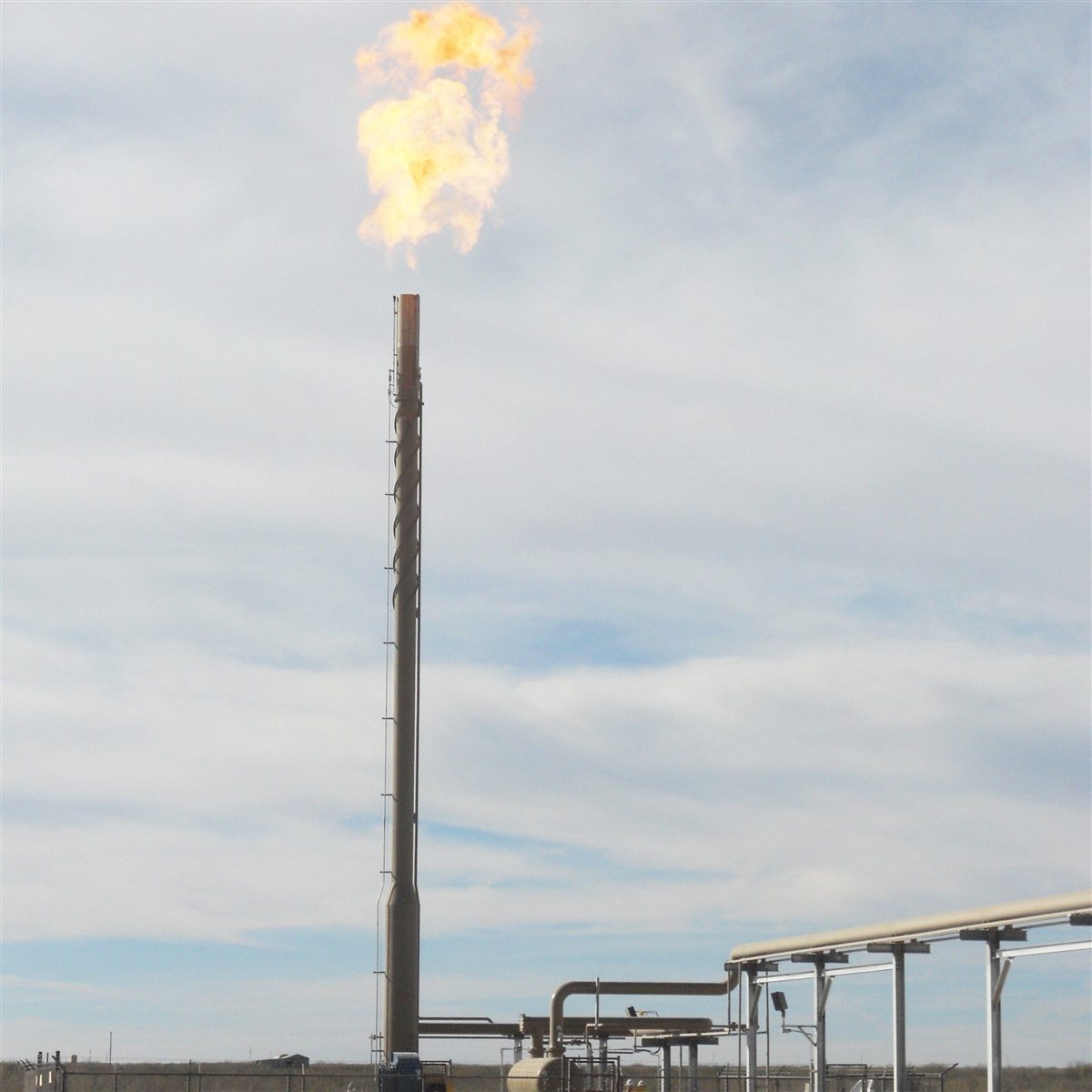
Offshore Sonic and Elevated Flares
Elevated flare tips for offshore platform and FPSO primary flare systems. Wind-resistant shroud designs for high-crosswind offshore locations. 316L SS tip and pilot assemblies as standard. API RP 537 and API RP 521 designed for the offshore relief load case. ATEX Zone 1 rated pilot ignition and flame detection included.
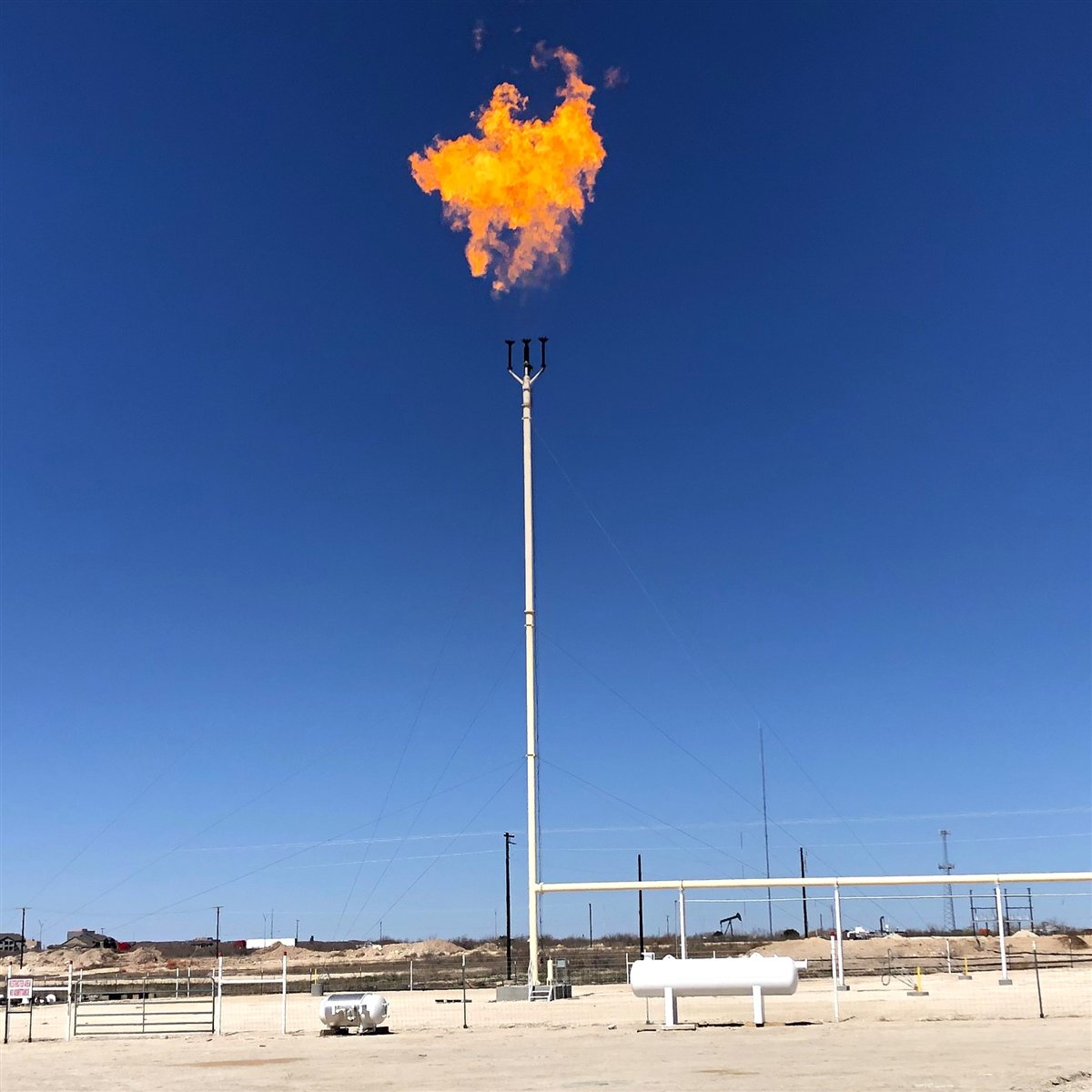
Marine Terminal Air-Assist Flares
Air-assist elevated flares for marine terminals, LNG/LPG loading facilities, and ship-shore vapor balance installations. Designed for corrosive marine coastal environments with 316L SS or duplex SS construction.
Marine-Grade Enclosed Combustors
Enclosed vapor combustors for offshore platform and vessel vapor streams where a visible flame is not acceptable or where MARPOL incineration documentation is required. All-316L SS construction with marine coating system.

Marine Thermal Oxidizers
Direct-fired thermal oxidizers for offshore and marine applications requiring DRE above 99.9% and continuous temperature monitoring for permit or classification society documentation.
Key Standards for Marine and Offshore Combustion Equipment
| Standard / Regulation | Applicability | Requirement | HPS Products | Status |
|---|---|---|---|---|
| API RP 14C Offshore Surface Safety Systems | All offshore oil and gas production platforms on the Outer Continental Shelf; applies to flare and vent system design, pilot monitoring, and emergency shutdown integration | Flare system must be part of the surface safety system design; pilot monitoring with SCSSV integration; fire and gas detection wiring to safety system | All offshore flare packages | DESIGNED TO |
| API RP 521 / 537 Pressure-Relieving Systems / Flare Details | Flare and relief system design for all oil and gas facilities including offshore platforms; applies to relief load sizing, flare tip selection, and thermal radiation | Relief load sizing per Sections 4 and 5; flare tip selection and sizing per API RP 537; thermal radiation limits per Section 5.15; smokeless combustion requirements | All HPS flare products | DESIGNED TO |
| MARPOL Annex VI Prevention of Air Pollution from Ships | Vessels operating internationally under IMO jurisdiction; applies to incineration of cargo residues, sludge, and controlled substances; ozone-depleting substance venting restrictions | Shipboard incinerators must meet IMO Resolution MEPC.76(40); combustion chamber temperature at or above 850 C; continuous monitoring; MARPOL survey documentation | Marine Thermal Oxidizers, Enclosed Combustors | MEETS IMO MEPC.76 |
| ATEX / IECEx Zone 1 Explosive Atmosphere Electrical Certification | All electrical equipment installed in Zone 1 or Zone 2 hazardous areas on offshore platforms, FPSOs, and marine terminals; includes pilot ignition panels, flame detection, and instrumentation | Equipment must carry ATEX or IECEx certification for the applicable zone and gas group; Ex d, Ex e, or Ex ib protection concepts most common for flare system components | All offshore flare electrical packages | CERTIFIED |
| NACE MR0175 / ISO 15156 Sour Service Material Requirements | Offshore facilities producing or processing H2S-containing streams; applies to wetted components in flare systems handling sour gas or acid gas vent streams | Wetted material selection per NACE MR0175 tables for H2S partial pressure and temperature; hardness limits on carbon steel components in H2S service | Sour-service alloy packages | MEETS |
Marine and Offshore Facilities We Engineer For
Offshore Oil and Gas Platforms
Fixed platforms, jack-ups, and semi-submersibles on the Outer Continental Shelf and international offshore blocks. Primary production flare for emergency relief and continuous pilot gas. API RP 14C safety system integration.
Floating Production Storage and Offloading (FPSO) Vessels
FPSO topsides flare systems for production processing train relief and emergency shutdown blowdown. Weight-constrained topsides packages with dimensional and center of gravity certification.
LNG and LPG Loading Terminals
Cryogenic loading arm vapor balance and vent combustion at LNG export terminals and LPG marine loading facilities. Air-assist flares are the standard combustion device for marine terminal loading vapor service. Vapor displaced from vessel tanks during loading must be captured and either returned to shore vapor recovery or routed to a combustion device.
Jackup Drilling Rigs and Drillships
Flare and pit systems for offshore drilling operations including well testing flares, drill cuttings combustors, and mud pit vapor combustion. Modular skid-mounted designs for rig mobilization and move.
Technical Questions on Marine and Offshore Flare Systems
What wind speed should we design the offshore flare tip for?
What material specification should we use for an offshore flare tip?
Does the pilot ignition panel need ATEX certification for offshore installation?
What classification society documentation can you provide for an FPSO installation?
How does MARPOL Annex VI affect our vessel’s combustion equipment?
What lead time should we plan for an offshore flare tip replacement?
Offshore work is a different category. The wind conditions, the alloy requirements, the ATEX certification, the weight certificate for the deck structural review, and the class society documentation all have to be right before the equipment leaves the yard. We build offshore packages with that documentation as part of the standard scope, not an after-the-fact request.
Craig Rosencutter, President — Hero Process SolutionsTechnical Reference for Marine and Offshore Applications
Flare and Combustor Spec Sheets
Download dimensional data for HPS offshore flare tips, pilot assemblies, and marine-grade enclosed combustors.
↓ View All DatasheetsElevated Flares for Offshore Service
Wind-resistant tip designs, 316L SS construction, and ATEX-certified pilot ignition for offshore platform flare systems.
→ View ProductAPI RP 14C and Offshore Flare System Standards
Overview of API RP 14C, 521, and 537 requirements for offshore platform flare and relief systems.
→ Read GuideWind-Resistant Flare Tip Design for Offshore
How wind speed and crosswind velocity affect flare tip selection and the design approaches for maintaining flame stability offshore.
→ Read ArticleOffshore Flare Equipment Selection Guide
What to specify when ordering an offshore flare tip, pilot assembly, and ignition panel: alloys, certifications, and documentation requirements.
→ Read GuideTalk to an HPS Engineer
Send us your site metocean data, gas composition, and installation specifications. We will confirm the appropriate equipment and lead time.
→ Contact UsMarine & Offshore Flare System Quote
Send us your site metocean data, gas composition, relief load, and installation requirements. We confirm equipment type, alloy selection, certifications, and lead time within 48 hours.
- ✓ Wind-resistant tip designs rated to site wind speed
- ✓ 316L SS or Duplex alloy construction standard
- ✓ ATEX Zone 1 certified pilot ignition package
- ✓ Weight and CG certificate for structural review
- ✓ Classification society documentation available
Need datasheets first?
↓ View All HPS Datasheets →Ready to Specify Your Marine or Offshore Combustion System?
Send us your site conditions, gas composition, and installation requirements. We confirm alloy selection, ATEX certification level, and lead time within 48 hours.
Hero Process Solutions — 14842 Maple Dr, Kellyville, OK 74039