

Flare & Vapor Control Systems for Pipelines, Truck Loading, and Bulk Terminals
Compressor stations, tank truck loading racks, bulk liquid terminals, and pipeline pump stations generate displacement vapors, blowdown releases, and storage tank breathing losses that require compliant combustion or vapor recovery. HPS sizes to your specific vapor stream, not a generic specification.
Vapor Control Challenges at Pipelines & Terminals
Each facility has unique vapor sources, overlapping regulatory requirements, and site constraints that must be engineered simultaneously.
Loading Rack Displacement Vapors
Tank truck loading racks displace the vapor phase from the truck compartment as liquid product fills in. Peak flow rate is set by loading arm flow and truck compartment volume.
Storage Tank Breathing and Working Losses
Fixed roof storage tanks at pipeline terminals and tank farms generate vapor through thermal breathing as temperature cycles drive expansion and contraction, and through working losses as product is pumped in and out.
Compressor Station and Pump Station Blowdown
Pipeline pump stations and compressor stations generate blowdown volumes when units are taken offline for maintenance or emergency shutdown.
NFPA 30 Flammable Liquid Site Safety
Combustion equipment at gasoline and flammable liquid terminals must meet NFPA 30 safety requirements for flame arrestors, check valves, and safe siting relative to storage tanks and loading positions.
Variable Vapor Composition at Multi-Product Terminals
Multi-product bulk liquid terminals handle gasoline, diesel, jet fuel, ethanol blends, and fuel oil, often through the same loading rack.
Regulatory Overlap Between Federal and State Programs
Pipeline terminals and truck loading facilities are subject to overlapping federal rules including Subpart BBBBBB, Subpart Kb, and state-specific gasoline marketing regulations.
Get Your System Specified
Not sure which vapor control system fits your terminal or loading rack?
Tell us your gas composition, flow rate, and site requirements — we confirm the right equipment and lead time within 48 hours.
Request a Free Engineering Consultation →Combustion Equipment for Pipeline and Terminal Applications
Every unit sized to your vapor stream, loading rate, and permit requirements. Not a catalog selection.
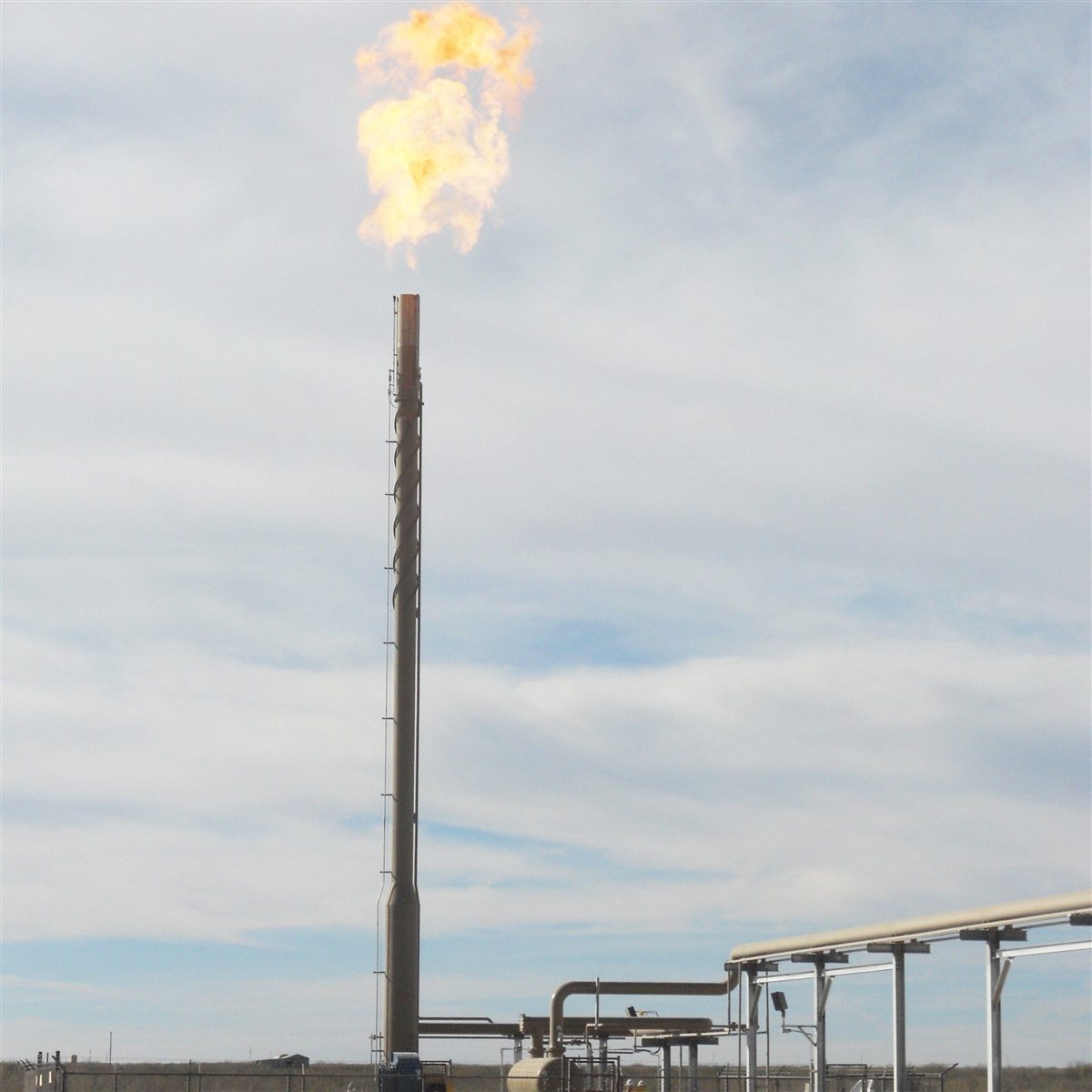
Enclosed Vapor Combustors
The preferred control device for loading rack displacement vapors and storage tank breathing losses where no visible flame is required and DRE documentation must be available for permit compliance. Designed for cyclic flow from loading events with automatic ignition on vapor flow initiation. Compatible with existing vapor collection header systems.

Air-Assist Elevated Flares
For pipeline compressor and pump station blowdown systems where an elevated flare is specified by the project, or where the blowdown volume and duration do not justify an enclosed combustor installation.
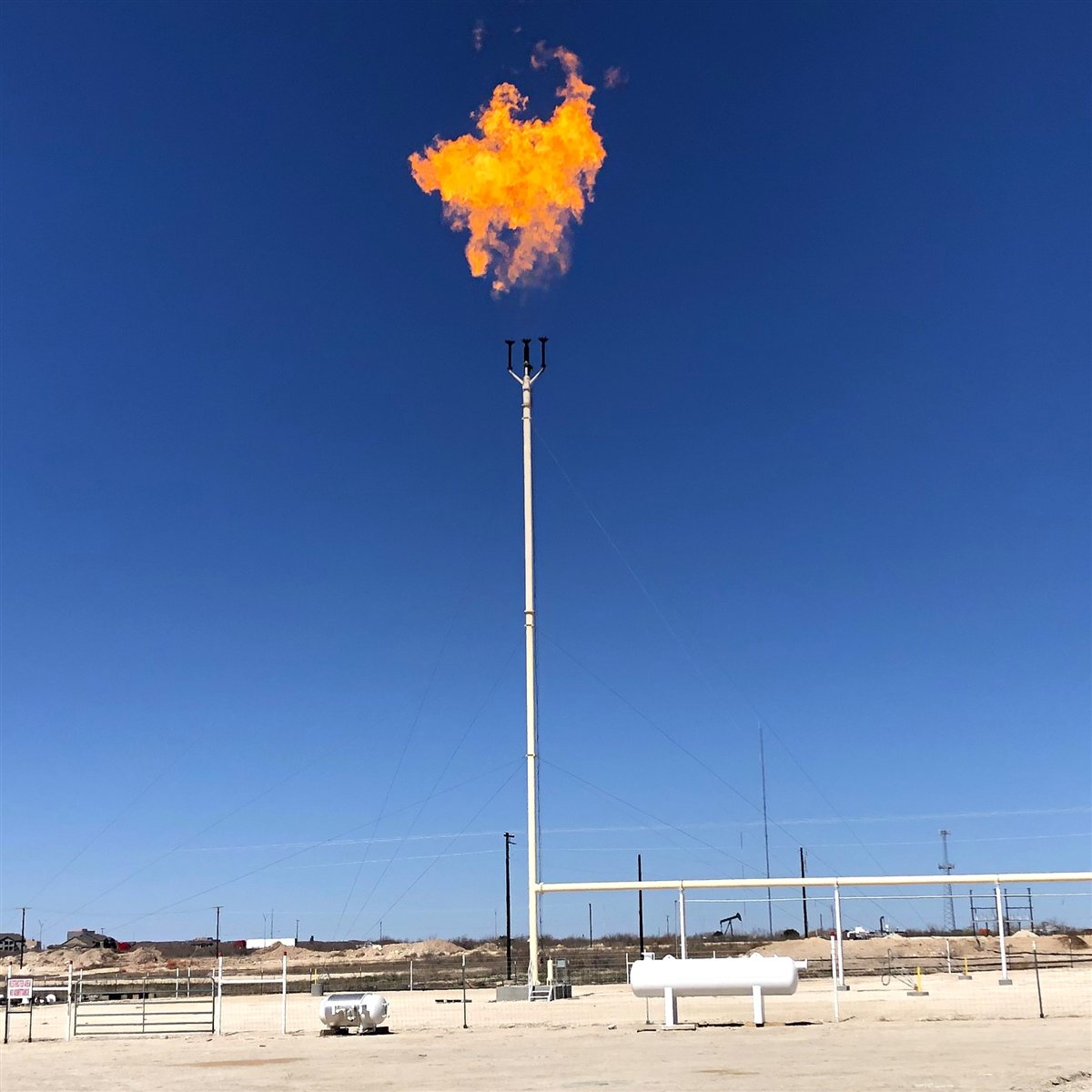
Vapor Combustors
Compact vapor combustors for continuous storage tank breathing loss streams and small vent headers at pipeline terminals and tank farms. Sized for low-flow, low-BTU vapor streams from fixed roof storage tank thermal breathing and working losses. Continuous pilot with propane backup for reliable ignition in variable-flow service.
Key Rules for Pipeline and Terminal Combustion Equipment
| Regulation | Applicability | Control Requirement | HPS Products | Status |
|---|---|---|---|---|
| 40 CFR Part 63 Subpart BBBBBB NESHAP Gasoline Bulk Terminals | Bulk gasoline terminals with total throughput above 76,000 L/day; Stage I vapor balance loading systems at covered terminals | 95% VOC reduction from loading operations; Stage I equipment must direct vapors to vapor recovery or combustion device; annual performance testing for control device DRE | Enclosed Combustors, Ground Flares | MEETS |
| 40 CFR 60 Subpart Kb NSPS Storage Vessels >19,800 gal | Storage vessels between 19,800 and 40,000 gallons storing volatile organic liquids (vapor pressure above 0.75 psia) constructed after July 1984 | 95% VOC emission reduction from storage tank breathing and working losses; floating roof, vapor recovery unit, or combustion control device | Vapor Combustors, Enclosed Flares | MEETS |
| 40 CFR 60 Subpart Ka NSPS Storage Vessels (older tanks) | Storage vessels between 40,000 gallons and 40,000 gallons storing crude oil, condensate, and VOL at vapor pressure above specified thresholds | Floating roof requirements or equivalent VOC emission control; existing tanks modified to increase capacity trigger Subpart Ka or Kb applicability review | Vapor Combustors, Enclosed Flares | MEETS |
| 40 CFR Part 63 Subpart ZZZZ NESHAP Stationary Reciprocating IC Engines | Compressor engines at pipeline compressor stations and pump stations; applies to both spark-ignited and compression-ignited engines above 500 HP | Engine emissions limits, not vapor control; but engines that replace or back up a control device connection may trigger evaluation of the vapor control pathway | Engineering review services | SITE-SPECIFIC |
| NFPA 30 Flammable and Combustible Liquids Code | All facilities storing or handling flammable and combustible liquids above threshold quantities; applies to tank farm layout, loading rack design, and combustion equipment siting | Safe siting of combustion devices relative to flammable liquid storage; flame arrestor requirements in vapor collection headers; ignition source control in classified areas | All HPS products at terminal facilities | MEETS |
Pipeline and Terminal Sources We Engineer For
Tank Truck Loading Racks
Displacement vapors from tank truck compartment filling at gasoline, diesel, aviation fuel, and blended fuel terminals. Peak flow rate set by loading arm flow and truck compartment volume.
Bulk Liquid Storage Tank Farms
Fixed roof storage tank breathing and working losses at pipeline terminals, petroleum product depots, and distributor tank farms. Typically low-flow, continuous vapor streams routed through a common vent header to a centralized combustor.
Marine and River Terminal Loading
Barge and vessel loading vapor displacement systems at river terminals and inland waterway facilities. Marine loading operations involve larger volumes than truck loading and longer loading durations.
LPG and NGL Distribution Terminals
LPG and NGL truck loading rack vapor combustors for propane, butane, and mixed NGL products. Very high BTU vapors at LPG facilities can sustain stable combustion at low flow rates without supplemental fuel. High vapor pressure products require particular attention to flame arrestor selection and vapor collection header design to prevent flashback.
Technical Questions on Pipeline and Terminal Vapor Control
What does Subpart BBBBBB require for a gasoline terminal loading rack?
Do we need a flame arrestor in the vapor collection header at our terminal?
Our terminal handles both gasoline and diesel. How does that affect combustor sizing?
We have a small tank farm with four fixed roof tanks. What is required?
How do we handle condensed hydrocarbon liquid carryover in the vapor stream?
What siting distance is required between the combustor and the loading rack?
Loading rack vapor combustors are not simple. The flow is cyclic and unpredictable, the vapor composition changes with every product the terminal handles, and the site is subject to NFPA 30 siting requirements on top of the air permit. We engineer for all three at once and send the installation with the paperwork the permit team needs, not just the equipment.
Craig Rosencutter, President — Hero Process SolutionsTechnical Reference for Pipeline and Terminal Applications
Combustor and Flare Spec Sheets
Download dimensional data and ordering information for HPS vapor combustors and enclosed flares for terminal applications.
↓ View All DatasheetsEnclosed Ground Flares for Terminal Service
Technical overview of HPS enclosed ground flare designs for large terminal vapor collection headers.
→ View ProductNFPA 30 and Combustion Device Siting
Overview of NFPA 30 requirements for combustion device siting at flammable liquid terminals and tank farms.
→ Read GuideVapor Control Equipment Selection for Terminals
How to choose between a vapor combustor, enclosed flare, and ground flare for terminal loading rack and tank farm service.
→ Read GuideCombustion vs. Vapor Recovery at Terminals
When a combustion control device is the right choice versus vapor recovery at a bulk liquid terminal.
→ Read ArticleTalk to an HPS Engineer
Send us your loading rates, product slate, and permit status. We will recommend equipment and confirm lead time within 48 hours.
→ Contact UsPipeline & Terminal Vapor Control Quote
Send us your loading rate, product slate, vapor composition, and permit requirements. We confirm equipment type, DRE compliance basis, and lead time within 48 hours.
- ✓ Subpart BBBBBB DRE documentation included
- ✓ NFPA 30 siting review for every terminal installation
- ✓ Multi-product combustor sizing for full product slate
- ✓ Flame arrestor specification included
Need datasheets first?
↓ View All HPS Datasheets →Ready to Specify Your Terminal Vapor Control System?
Send us your loading rates, product slate, and permit requirements. We confirm equipment and DRE compliance basis within 48 hours.
Hero Process Solutions — 14842 Maple Dr, Kellyville, OK 74039