
Flare Systems & Combustion Equipment for the Eagle Ford Shale
Hero Process Solutions designs, builds and services EPA-compliant flare systems, vapor recovery units and enclosed combustion equipment for Eagle Ford Shale operators across all three production windows in South Texas. Field support runs from our Midland, Texas base into Karnes, DeWitt, Gonzales, La Salle, McMullen and Webb counties for installation, commissioning, rentals and emergency response.
100+ years combined combustion engineering
Most enclosed combustors on the EPA-approved list
Texas field support from Midland
Hero Process Solutions provides flare systems, vapor recovery units, vapor combustors and supporting process equipment for Eagle Ford Shale operators across South Texas, including the oil, wet-gas and dry-gas windows. Equipment is engineered for Texas Railroad Commission, TCEQ and federal EPA OOOOb/OOOOc compliance, with a Midland, Texas field base mobilizing across Karnes, DeWitt, Gonzales, La Salle, McMullen and Webb counties.
The Eagle Ford Shale: three production windows across South Texas
The Eagle Ford Shale stretches across South Texas in a southwest-to-northeast band, producing crude oil, condensate, wet gas and dry gas in distinct windows depending on where you are in the formation. The northern oil window runs through Karnes, Gonzales and DeWitt counties; the middle wet-gas and condensate window covers La Salle, McMullen, Webb and Dimmit counties; and the dry-gas window extends south and west into Webb, Dimmit and Maverick counties.
Activity is anchored by large operators including EOG Resources, ConocoPhillips, Marathon Oil, Murphy Oil and Expand Energy, with a continuous cycle of completions, midstream tie-ins and processing work driven by Gulf Coast refining demand and LNG exports from Corpus Christi and Brownsville. An Eagle Ford operator may need very different equipment depending on which window they are drilling.
The play operates under the Texas regulatory framework: the Railroad Commission regulates drilling, production and flaring under Statewide Rule 32; the TCEQ administers air permitting for combustion equipment; and federal EPA OOOOb/OOOOc standards overlay state requirements across new, modified and existing sources.
| Attribute | Eagle Ford detail |
|---|---|
| Gas profile | Crude oil (north), condensate and wet gas (middle), high-pressure dry gas (south); three distinct production windows |
| Oil window | Karnes, Gonzales, DeWitt counties; liquids-rich associated gas and tank-battery vapor control |
| Wet-gas window | La Salle, McMullen, Dimmit counties; condensate and natural gas liquids |
| Dry-gas window | Webb, Maverick counties; high-pressure, methane-rich gas |
| Major operators | EOG Resources, ConocoPhillips, Marathon Oil, Murphy Oil, Expand Energy |
| Texas regulators | Railroad Commission of Texas (RRC), Statewide Rule 32 flaring/venting; TCEQ air permitting |
| Federal overlay | EPA 40 CFR 60 Subpart OOOOb / OOOOc, methane and VOC standards |
| Primary HPS solutions | Air-assist and sonic flares, enclosed combustors, VRUs, BTEX condensers, 3-phase separators, rentals |
Eagle Ford flaring & emissions challenges
Liquids-rich production and condensate handling
Eagle Ford wells in the oil and wet-gas windows produce significant condensate alongside gas. Proper 3-phase separation and liquid knockout upstream of combustion equipment is a baseline requirement. Hero engineers the separation and combustion package together so flares and combustors see the gas they were designed for, not liquids carried over from flowback.
Completions and high-rate early flowback
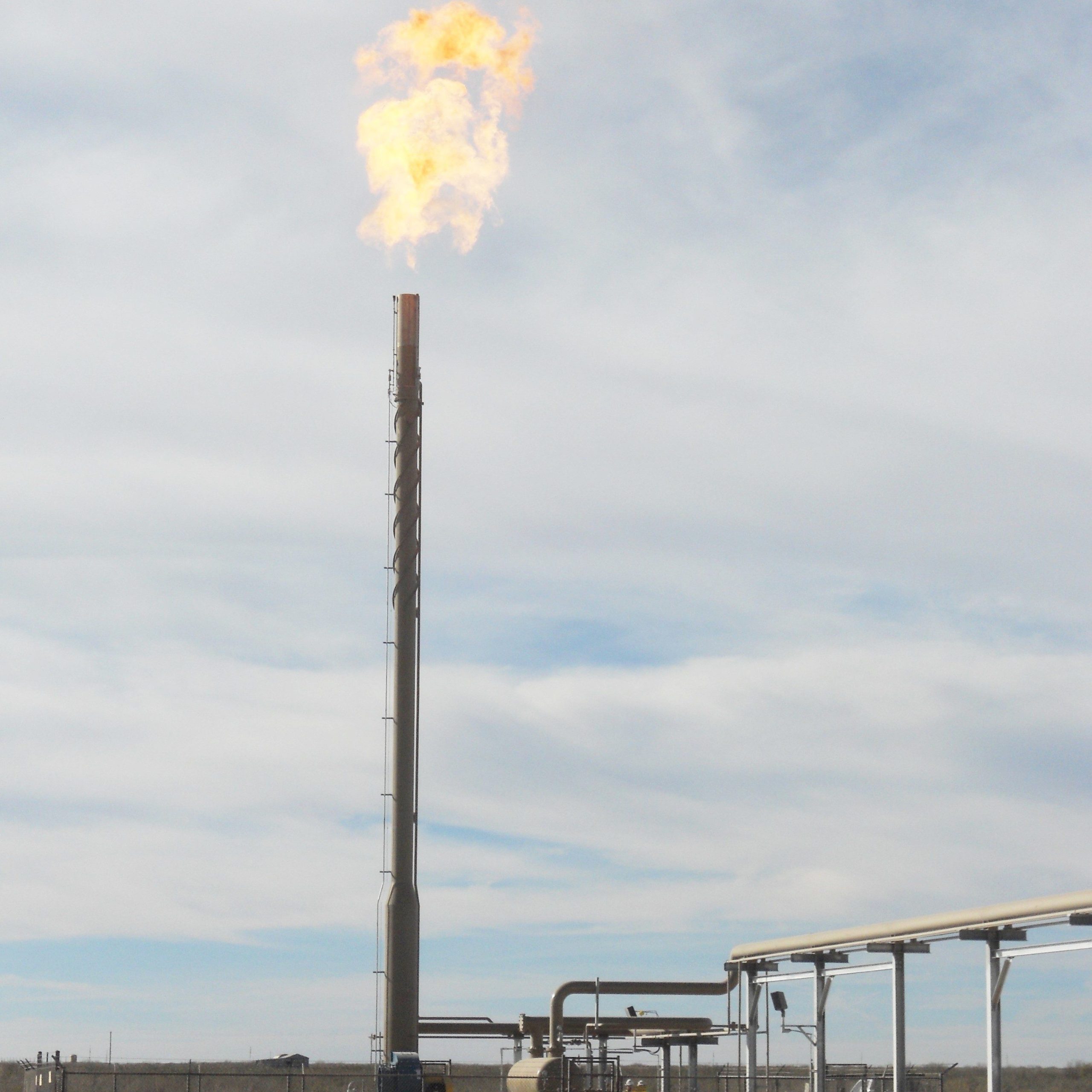
Eagle Ford completions put high-pressure, high-rate gas to surface in short, intense windows. Air-assist flares deliver smokeless combustion across the pressure and composition swings during flowback; emergency utility flares cover relief duty; and rental fleet equipment lets operators stage compliant capacity quickly when a new pad turns on.
Tank-battery and storage vapor emissions
Crude and condensate tanks vent VOCs continuously as they fill and as pressure cycles. Vapor recovery units capture those vapors for sale, fuel or reinjection, while enclosed combustors destroy what cannot be captured economically, with a hidden flame that limits noise and radiant heat on pads near roads and neighbors.
Variable equipment needs across three windows
The same operator may run an oil-window pad in Karnes County and a dry-gas pad in Webb County in the same week. Equipment that works in one does not work in the other. Hero engineers each system to the actual gas, pressure and flow of the specific well and window.
High-pressure dry-gas in the southern Eagle Ford
The dry-gas trend in Webb, Dimmit and Maverick counties produces high-pressure, methane-rich gas that demands sonic flare tip designs rather than the utility or air-assist flares suited to lower-pressure oil-window service.
BTEX and VOC control at dehydration units
Glycol dehydration units on liquids-rich Eagle Ford pads generate benzene-laden off-gas that requires control under both TCEQ and federal hazardous-air-pollutant rules. Hero BTEX condenser systems intercept and condense benzene and VOCs at the dehydration vent before any combustion is needed.
Eagle Ford emissions compliance & how Hero helps
General guidance, not legal advice. Confirm current requirements with your regulator. Hero’s role is to supply equipment that helps you meet whichever standard applies.
The RRC regulates flaring and venting under Statewide Rule 32. Operators must obtain authorization for flaring beyond limited time windows and show steps to minimize routine flaring. Hero supplies EPA-listed enclosed combustors, air-assist and utility flares, and VRUs that provide a defensible path under the rule.
The Texas Commission on Environmental Quality administers air permitting for combustion equipment across the state. Hero’s equipment is sized and built for compliant operation under TCEQ permits, and our aftermarket team supports inspection and recordkeeping over the equipment’s operating life.
Federal New Source Performance Standards under 40 CFR 60 Subpart OOOOb and Emissions Guidelines under OOOOc set methane and VOC requirements for new, modified and existing oil and gas sources across the Eagle Ford. Hero’s flares, combustors and VRUs support compliance with those federal standards on top of Texas rules.
Flare & combustion solutions for the Eagle Ford
Air-Assist & Utility Flares
Smokeless combustion for Eagle Ford completions, flowback and emergency relief across all three production windows.
Vapor Recovery Units
Capture tank-battery and separator gas from oil-window and wet-gas pads for sale, fuel or reinjection rather than burning.
Enclosed Vapor Combustors
EPA-listed combustors with concealed flame for pads near roads and neighbors across the more developed parts of the play.
Sonic Flare Tips
Engineered for the high-pressure dry-gas trend in the southern Eagle Ford, from Webb and Dimmit to Maverick County.
BTEX Condenser Systems
Control benzene and VOCs from glycol dehydration unit vents across liquids-rich Eagle Ford pads.
3-Phase Separators
Remove completion fluids, water and condensate upstream of combustion to protect flares and combustors during high-rate flowback.
Thermal Oxidizers
High-efficiency destruction for larger midstream facilities and processing plants across South Texas.
Rentals
Bridge completions, tie-ins and capacity gaps with flares and combustors from our Midland base. Standard units ship from stock.
Field Services & Aftermarket
Install, commission, inspect and maintain equipment across Karnes, DeWitt, Gonzales, La Salle, McMullen and Webb counties.
Eagle Ford field service, rentals & rapid response
Hero Process Solutions supports Eagle Ford operators from our Midland, Texas field base at 2714 East County Road 147, with crews mobilizing across Karnes, DeWitt, Gonzales, La Salle, McMullen, Webb, Dimmit and Maverick counties for installation, commissioning, inspection, troubleshooting and emergency support. Equipment is engineered and fabricated at our Kellyville, Oklahoma headquarters and shipped into the region.
Our rental fleet of flares and combustion equipment lets operators stage compliant capacity quickly during completions, midstream tie-ins, turnarounds or unexpected capacity gaps. Standard units ship from stock; custom systems are engineered to your specs and supported through commissioning by our combustion engineers.
Why Eagle Ford operators choose Hero Process Solutions
Window-aware engineering
Equipment sized for the actual gas profile in your part of the play, from liquids-rich oil-window service in Karnes County to high-pressure dry-gas in Webb and Maverick counties. Not a generic spec.
Engineering depth
A combustion-engineering team with 15 to 30 years of individual experience and 100+ years combined, designing systems for your exact gas composition and operating conditions.
Proven compliance record
More enclosed combustors on the EPA-approved list than any other vendor, useful in front of Railroad Commission and TCEQ reviewers across the Eagle Ford footprint.
Midland-anchored Texas field support
Installation, commissioning, inspection and emergency response from our Midland field base, with logistics depth into all the major Eagle Ford counties and a rental fleet available from stock.
Flare & combustion in the Eagle Ford
- Hero serves Eagle Ford operators across all three South Texas windows: oil (north), wet gas and condensate (middle), and dry gas (south).
- Liquids-rich production requires matched 3-phase separation and liquid knockouts upstream of all combustion equipment.
- Vapor recovery and enclosed combustors are the workhorses on the oil and wet-gas side; sonic flares fit high-pressure dry-gas service in the south.
- Equipment supports compliance with Texas RRC Statewide Rule 32, TCEQ air permitting and federal EPA OOOOb/OOOOc standards.
- Midland field base provides rapid mobilization across the play, with rental fleet equipment available for completions and tie-in windows.
- BTEX condensers address benzene and VOC control at glycol dehydration units across liquids-rich pads under TCEQ and federal HAP rules.
Eagle Ford flare & combustion FAQs
Does Hero Process Solutions serve the whole Eagle Ford or just one part of the play?
What flare or combustion equipment fits the liquids-rich Eagle Ford oil window?
What about high-pressure dry gas in the southern Eagle Ford?
Can Hero provide rental or emergency flares for Eagle Ford completions?
How do Texas Railroad Commission and TCEQ rules affect equipment selection?
Does Hero help with EPA OOOOb compliance in the Eagle Ford?
How does Eagle Ford service differ from Hero’s Permian Basin service?
How fast can Hero mobilize to an Eagle Ford site?
Request a Quote for Eagle Ford Flare & Combustion Equipment
Tell us your production window, gas composition, pressure, flow and county, and our combustion engineers will recommend the right flare, combustor, separator or vapor recovery package for your Eagle Ford site. Standard systems ship from stock; custom builds are engineered to your specs.