
Flare & Combustion Systems for Mining Operations
Coal mine methane degas wells, gold heap leach pad vents, oil sands tailings pond offgas, and potash processing all require combustion equipment built for low-BTU mine gas, variable flow, and remote-site utility constraints.
What Makes Mining Combustion Equipment Different
Mine gas streams vary widely: coal seam methane fluctuates in BTU as faces advance, heap leach vents carry HCN, and tailings pond offgas arrives at concentrations too low for unaided combustion.
Low-BTU and Variable Heating Value Mine Gas
Coal mine methane from gob drainage wells and ventilation boreholes typically ranges from 20% to 70% methane by volume, with CO2, N2, and air making up the balance. Heating value fluctuates as mine workings advance — sometimes dropping below the minimum for reliable unaided combustion.
Heap Leach Cyanide and Solvent VOC Streams
Heap leach pad vents from gold and silver mines contain HCN from cyanide solution volatilization plus organic solvents at low concentrations over large volumes. Standard flare tips are not rated for HCN-containing streams; enclosed combustors and thermal oxidizers achieve the required 95%+ DRE.
Remote Site Infrastructure Limitations
Mine degas well pads, heap leach collection points, and tailings pond edges are often in locations with no grid power, no instrument air, no utility gas, and no permanent road access. Equipment must operate unattended for extended periods and relocate as mining operations advance.
Oil Sands Tailings Pond and Process Offgas
Oil sands extraction and upgrading operations generate tailings pond offgas containing methane, CO2, H2S, and light hydrocarbons at very low concentrations and highly variable flow rates — often too dilute for unaided combustion without a supplemental fuel system.
Air Permit Documentation for Mine Operations
Mine site combustion devices are permitted under state mine air quality programs or provincial environmental approvals. Applications require PE-stamped equipment performance specifications, DRE documentation, and operating parameter limits — all formatted to fit the applicable permit program.
Combustion Systems for Mining Applications
From low-BTU coal mine methane degas wells to heap leach HCN streams and remote tailings pond applications — self-contained packages built for unattended mine-site operation.

Enclosed Combustors for Mine Gas
Purpose-built for coal mine methane drainage, ventilation borehole gas, and other low-BTU mine gas streams. Supplemental fuel injection maintains stable combustion as methane content varies seasonally and as mine faces advance.

Air-Assist Flares
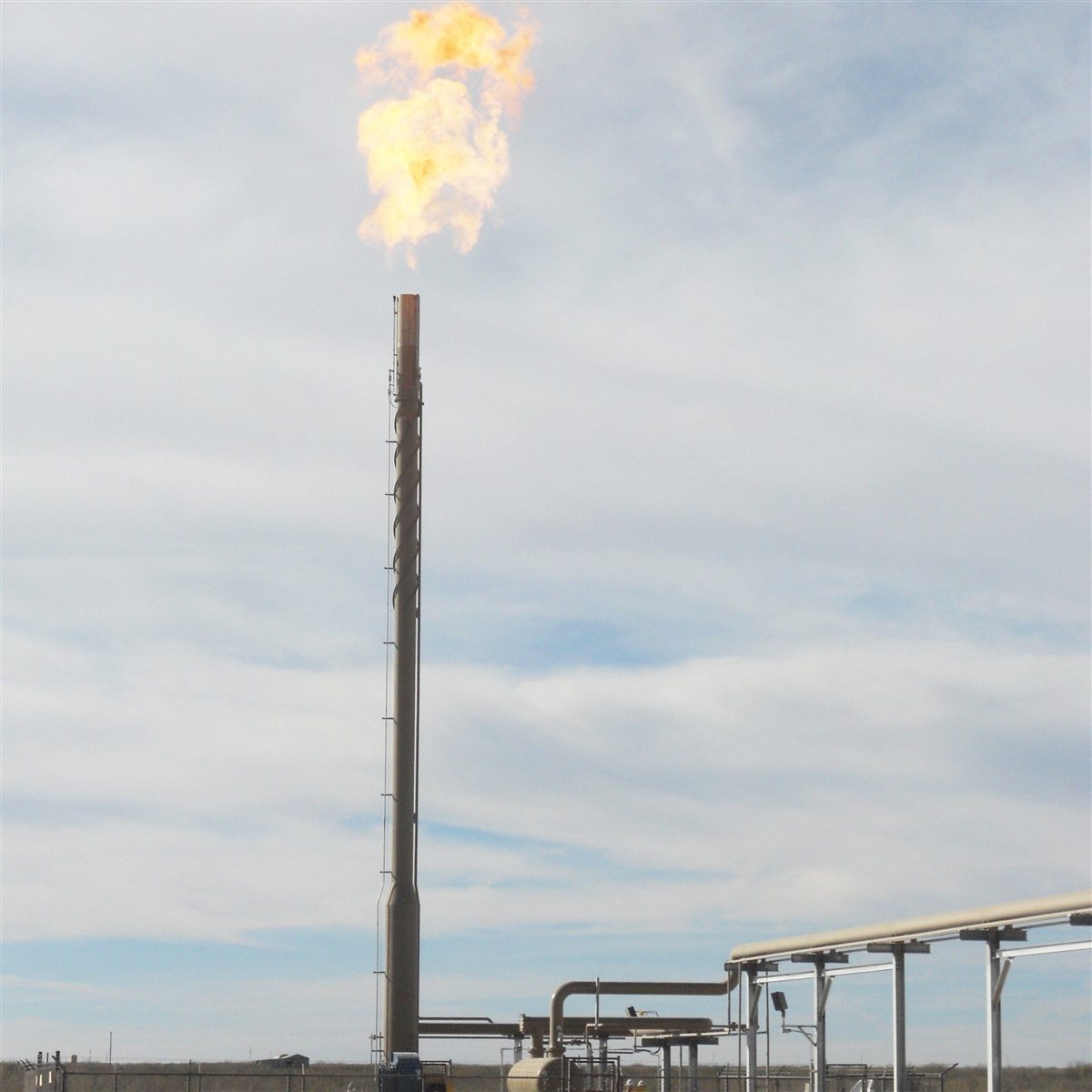
Elevated air-assist flare tips for surface mining gas streams with moderate BTU content — surface coal mine vent boreholes, oil sands process vent streams, and emergency pressure relief at mine processing plants.
Portable Flare Packages
Trailer-mounted combustor and flare packages for mine degas well pads that relocate as workings advance, for temporary mine site emergency flaring, and for remote locations with no permanent utility infrastructure.
Mining Operations HPS Engineers For
Each mine type presents a different gas stream composition, permit framework, and site infrastructure constraint.
Underground Coal Mine Gob Well Degas
Gob drainage wells capture methane released from collapsed longwall panels. Gas flow and BTU content vary with face position and surface pressure. Enclosed combustors handle the full BTU range with supplemental fuel for low-methane periods.
Surface Coal Mine Highwall & Vent Boreholes
Highwall borehole and ventilation shaft gas from surface coal operations typically carries higher methane concentrations than underground gob drainage, enabling elevated flare combustion without supplemental fuel in most cases.
Gold & Silver Heap Leach Pads
Heap leach pad vents carry HCN from cyanide solution aeration plus organic solvents from extraction circuits. Enclosed combustors designed for HCN service are required — standard flare tips cannot achieve the necessary DRE on low-concentration HCN streams.
Oil Sands Extraction & Tailings Ponds
Tailings pond offgas from oil sands operations contains trace methane, H2S, and naphtha vapors at concentrations requiring supplemental fuel for stable combustion. H2S content drives alloy selection for pilot and combustion chamber internals.
Potash & Industrial Minerals Processing
Potash solution mining and evaporation operations generate brine pond and process vent streams with organic compounds. Low concentrations and high volumes require enclosed combustion with supplemental fuel at remote evaporation pond locations.
Mine Site Emergency Pressure Relief
Compressed air and process gas storage at mine processing plants require emergency pressure relief flaring capability for maintenance and upset events. Portable flare units provide permitted relief capacity without permanent infrastructure investment.
Key Standards for Mining Combustion Equipment
| Standard / Program | Applicability | Key Requirement | HPS Products | Status |
|---|---|---|---|---|
| State Mine Air Quality Permits Title V Major Source or Minor Source Operating Permits |
Mine sites emitting VOC, methane, or HAPs above state permit thresholds. Most coal mines with active degas systems and heap leach operations with permit thresholds. | Combustion device achieving minimum DRE (typically 95%) on regulated streams; continuous temperature monitoring; recordkeeping of operating hours and fuel usage; PE-stamped equipment specifications included in permit application. | Enclosed Combustors, Air-Assist Flares, Portable Flares | SITE-SPECIFIC |
| 40 CFR 60.18(c) General Combustion Device Standards (NSPS General Provisions) |
All flares and combustion devices used to comply with any NSPS or NESHAP regulation at mine sites (including those citing a combustion device as the control technology in permit conditions). | Net heating value at or above 300 BTU/scf; continuous pilot; no visible emissions except in specified circumstances. Low-BTU mine gas streams require supplemental fuel to meet the NHV minimum. | All HPS combustion products | COMPLIANT |
| EPA Coal Mine Methane Voluntary Programs EPA Coalbed Methane Outreach Program (CMOP) |
Underground coal mines participating in voluntary CMM capture and destruction programs. Destruction projects generate emission reduction credits in some state programs. | Combustion device achieving minimum 95% methane destruction efficiency with monitoring and recordkeeping sufficient for third-party verification of emission reductions. | Enclosed Combustors for Mine Gas | COMPLIANT |
| National Emission Standards — Cyanide-Bearing Streams 40 CFR Part 61, Subpart I (HCN / Acrylonitrile) |
Heap leach operations where HCN concentration in vent streams exceeds 10 ppm and the operation qualifies as a major source under Clean Air Act Section 112. | Control device achieving 99% reduction of HCN emissions; no visible emissions; monitoring of combustion temperature and fuel flow to demonstrate continuous compliance. | Enclosed Combustors for HCN Service | COMPLIANT |
| Provincial Environmental Approvals Alberta EPEA / British Columbia EMA (for Canadian oil sands and mining operations) |
Oil sands tailings pond offgas combustion, coal mine methane combustion, and other mining combustion applications in Canadian jurisdictions requiring provincial environmental approval. | Combustion device specifications, DRE documentation, and monitoring plan submitted with EA application; equipment must meet provincial emission standards applicable to the specific stream and site classification. | All products | SITE-SPECIFIC |
Technical Questions on Mining Flare and Combustion Systems
What is the minimum BTU content for reliable combustion in a coal mine methane flare?
Can HPS provide a combustor for heap leach pad HCN emissions?
How do you handle variable gas flow from a coal mine gob drainage system?
What documentation does a mine air quality permit application require for a combustion device?
What is the difference between a flare and an enclosed combustor for mine gas?
How do we power a combustion system at a remote mine degas well pad with no grid power?
Mine gas combustion is not conventional oil and gas flaring. A gob well that produces 500 BTU gas today may drop to 300 BTU next month as the face advances. The equipment has to handle the whole range — not just the design-day case.
Craig Rosencutter, President, Hero Process SolutionsRemote Site Deployment
Need a combustor or flare that operates without grid power, instrument air, or utility gas? HPS designs self-contained solar and propane packages for mine degas well pads and heap leach sites.
Technical Reference for Mining Applications
Combustor & Flare Spec Sheets
Dimensional and performance data for HPS enclosed combustors, air-assist flares, and portable units for mining service.
↓ View All DatasheetsEnclosed Combustors for Mine Gas
Low-BTU coal mine methane combustors with supplemental fuel injection. Permitted for gob drainage, ventilation boreholes, and heap leach vents.
→ View ProductAir-Assist Flares for Mining
Elevated air-assist flare tips for surface coal mine vent boreholes and oil sands process streams with moderate BTU content.
→ View ProductsPortable Flare Units
Trailer-mounted flares and combustors for remote mine degas well pads that relocate as workings advance. Solar/propane self-contained.
→ View ProductCombustors & Thermal Oxidizers
For HCN-bearing heap leach pad vents and other mine streams requiring enclosed combustion with corrosion-resistant alloy internals.
→ View ProductsTalk to an HPS Engineer
Send us your mine gas composition (methane %, BTU), flow rate, site power constraints, and permit requirements. We respond within 48 hours.
→ Contact UsMining Combustion Equipment Quote
Send us your mine gas composition, peak flow rate, site power constraints, and permit requirements. We confirm equipment type and DRE compliance basis within 48 hours.
- ✓ Low-BTU mine gas combustor sizing with supplemental fuel
- ✓ Remote solar/propane ignition packages — no grid required
- ✓ PE-stamped design documentation for permit applications
- ✓ Trailer-mounted portable units for relocatable mine sites
Need datasheets first?
↓ View All HPS Datasheets →Ready to Specify Your Mining Combustion System?
Send us your mine gas composition, flow rate, and site constraints. We confirm equipment type and lead time within 48 hours.
Hero Process Solutions, 14842 Maple Dr, Kellyville, OK 74039