
Flare Systems
HERO specializes in the design & fabrication of providing fully compliant EPA combustion systems for applications including Oil & Gas Production, Refining, Chemical, Biogas, Gas Processing, & Loading Terminals and Mining. We offer standard combustion systems that are in stock as well as custom designed systems for your specific application
Our Engineering Team
The HERO Process Solutions Engineering Team is comprised of combustion engineers that range from 15 to 30 years of experience designing flare systems. With a total combined experience over 100 years. All Hero Process Solutions flare systems are engineered to meet EPA OOOOb compliant flare systems performance and documentation requirements.
Industrial Flare System Types & Configurations
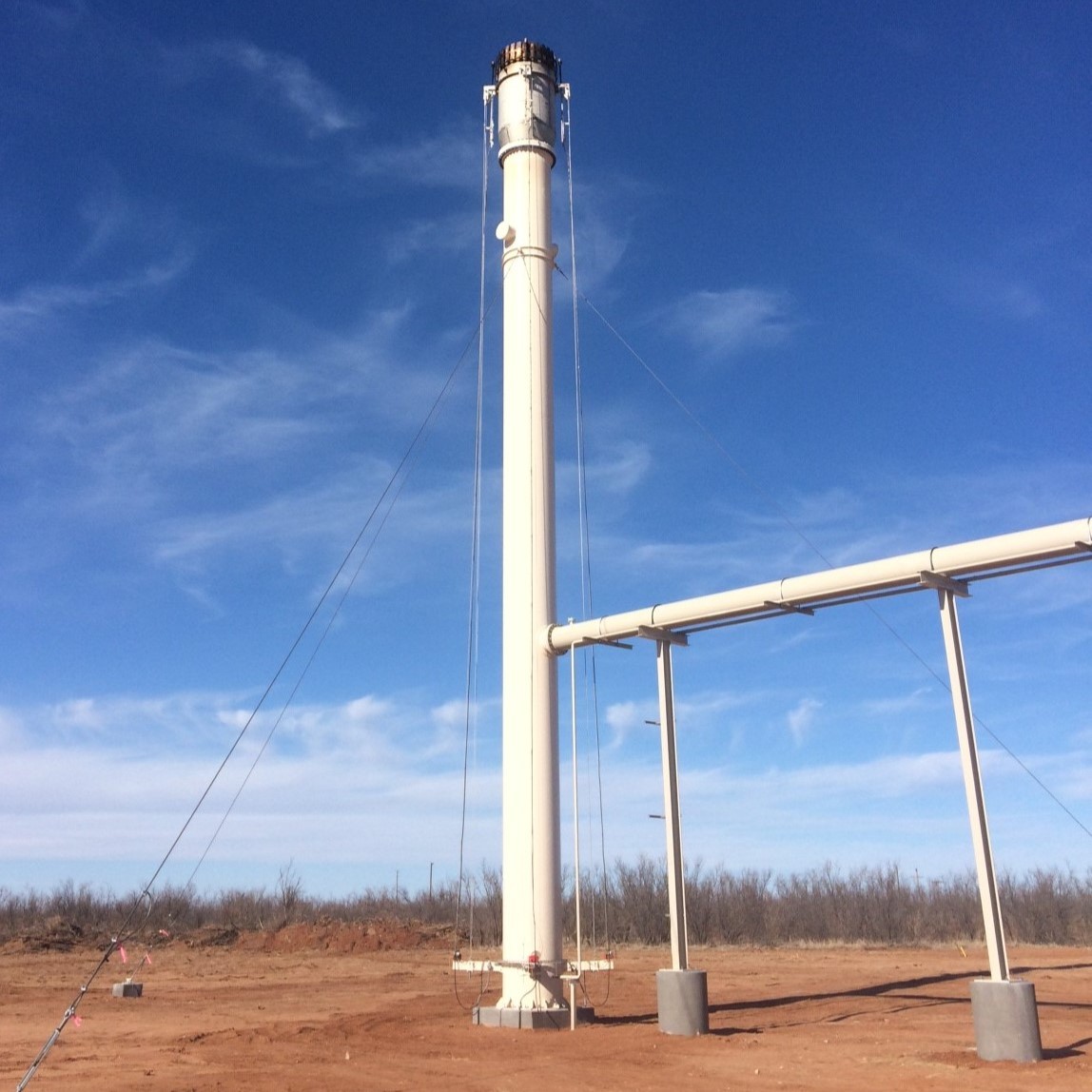
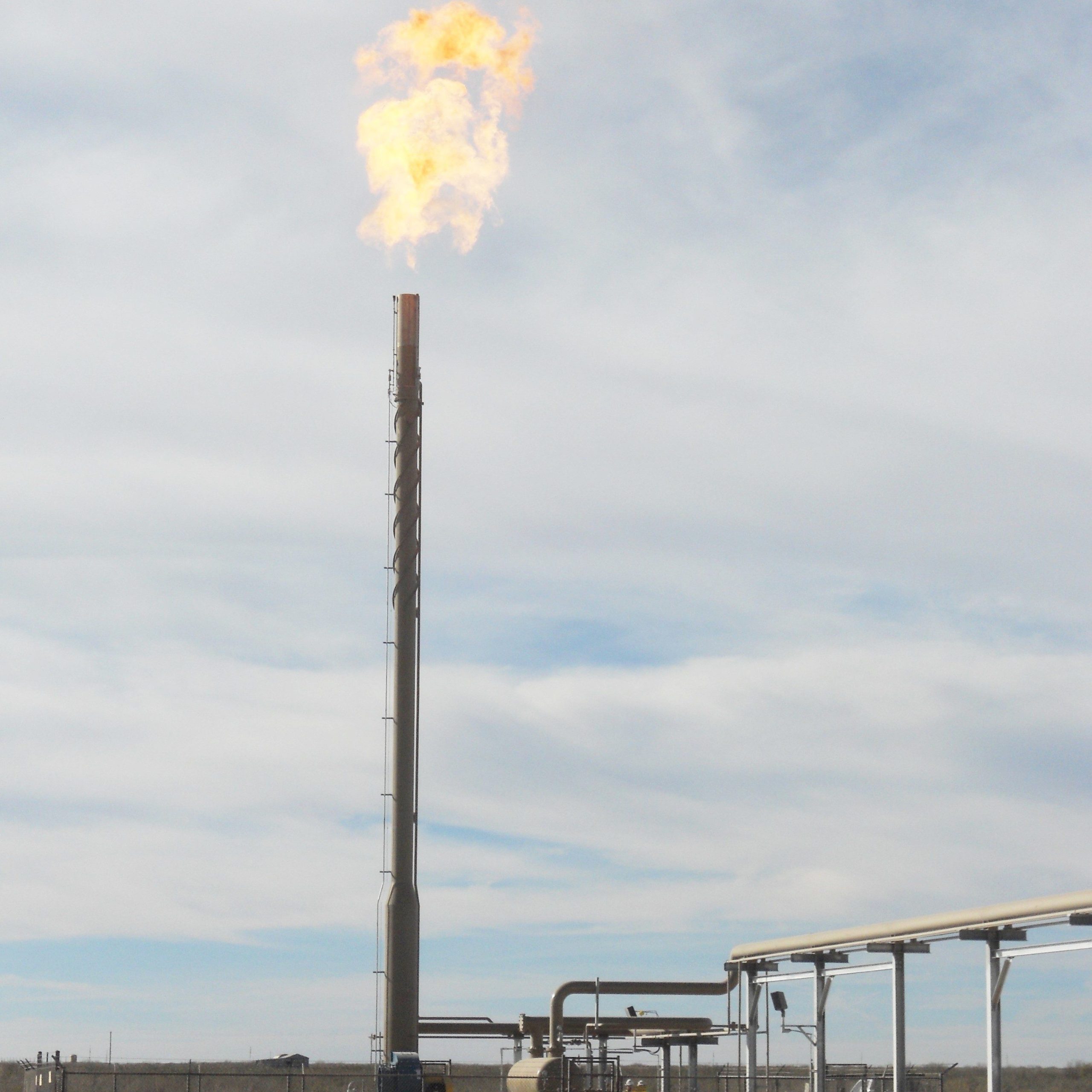
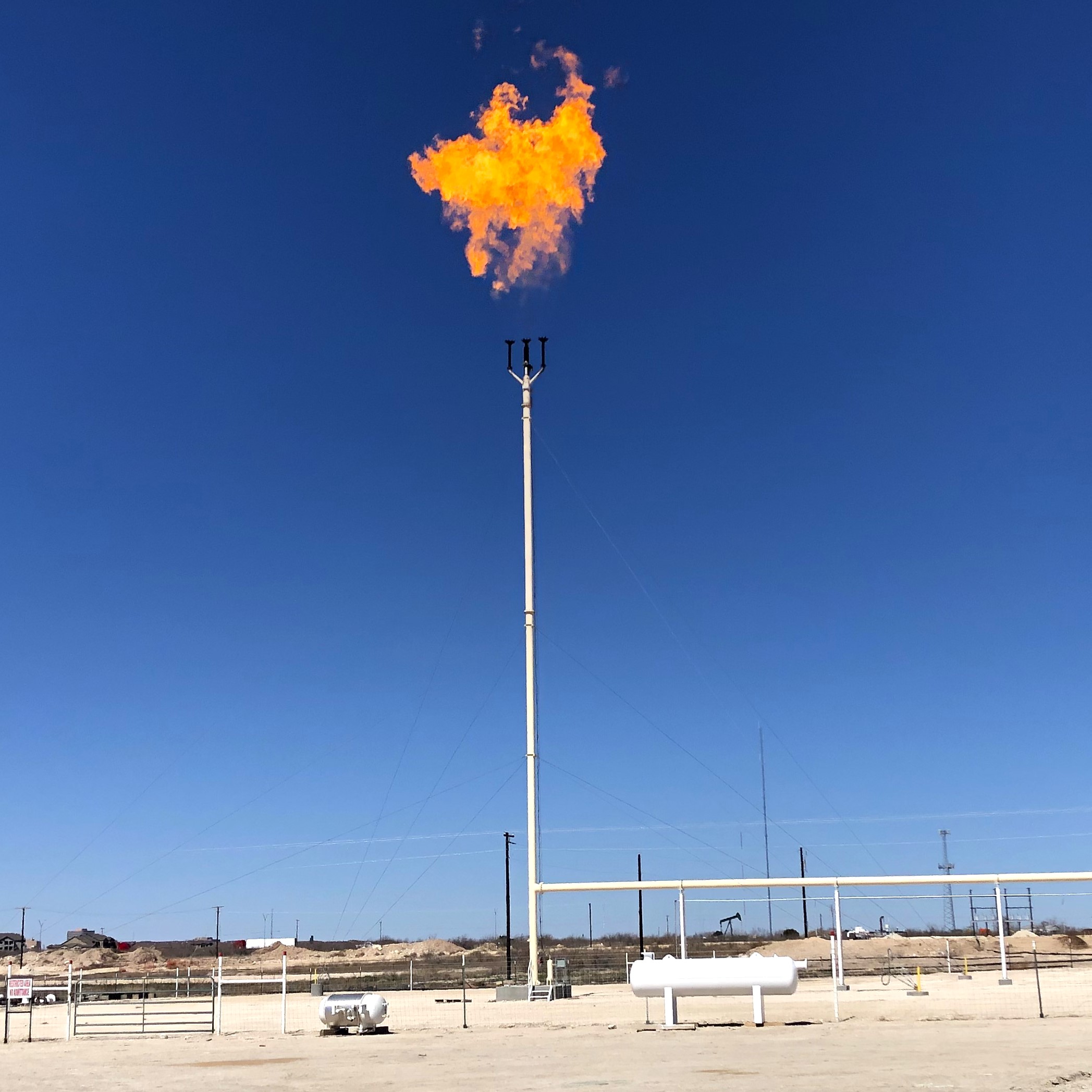
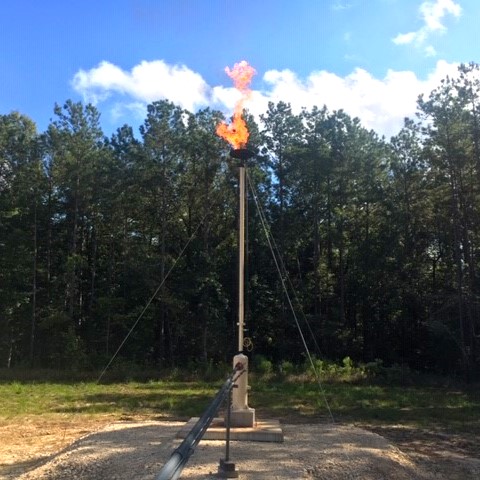
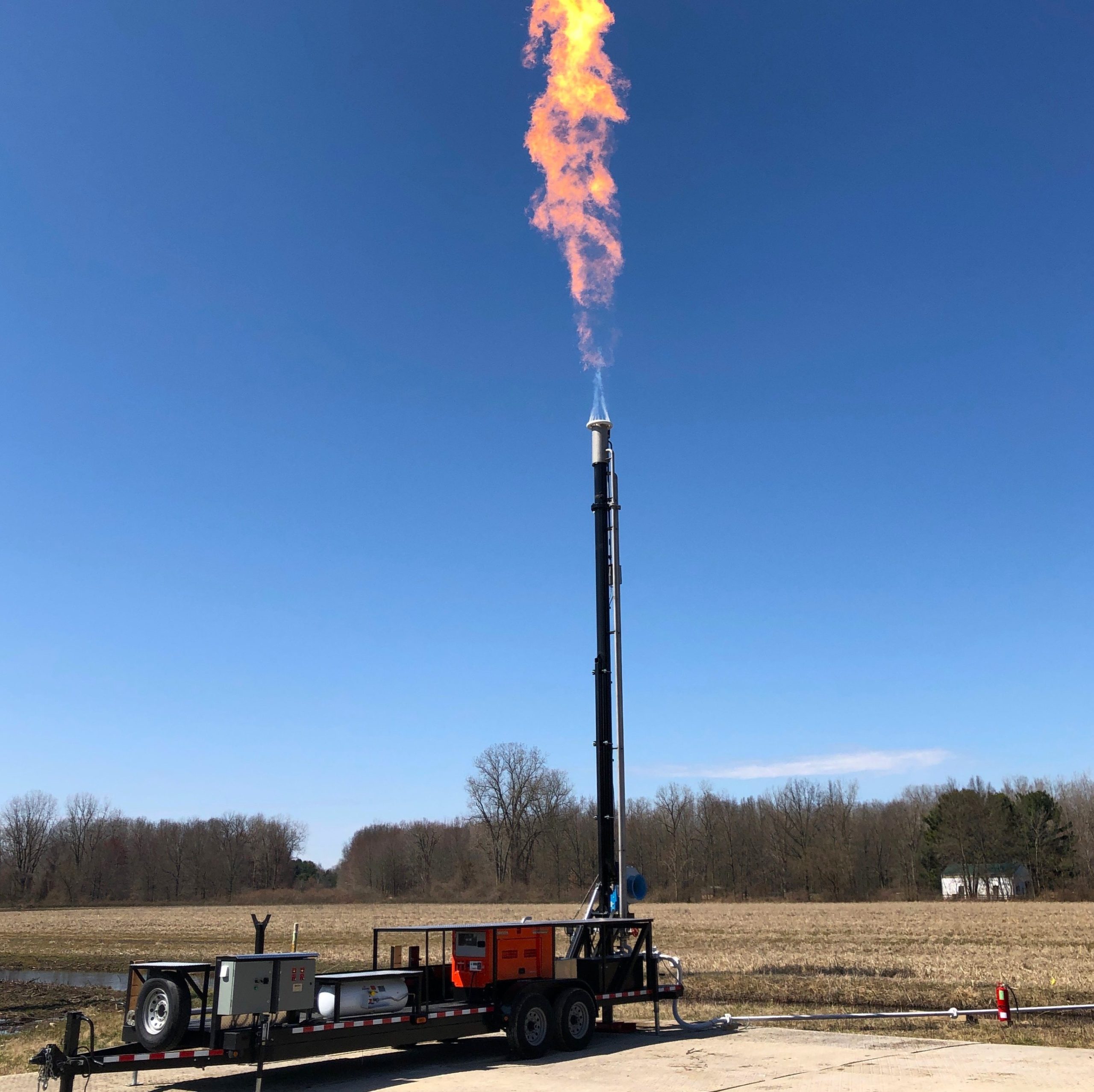
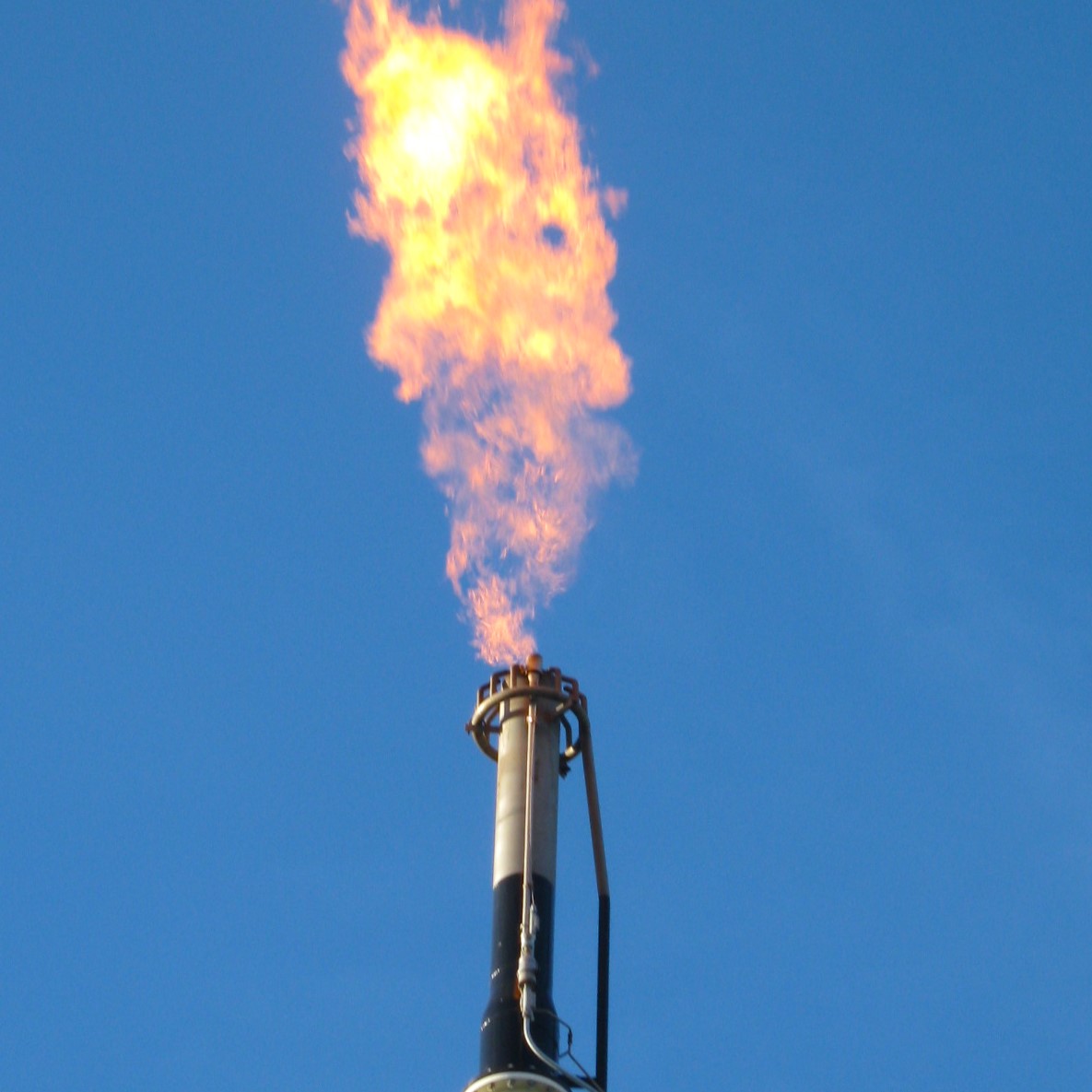
Types of Flare Systems and When to Use Each
Hero Process Solutions manufactures six industrial flare system configurations, each engineered for a defined range of waste gas flow rates, compositions, and site classifications. The selection is not a preference exercise. It is determined by your waste gas BTU value, peak throughput, available assist media, and whether the installation is permanent or temporary. Choosing the wrong configuration produces visible smoke, opacity exceedances, or combustion efficiency below the 98% threshold required under EPA 40 CFR 60 Subpart OOOOb.
| Flare Type | Best Application | Key Benefit |
|---|---|---|
| Air-Assist Flares | High-volume upstream production pads, compressor stations | Smokeless combustion without steam; no water infrastructure required |
| Sonic (Coanda) Flares | Refineries, gas plants, high-pressure relief systems | Noise reduction below 80 dBA at 100m with smokeless operation |
| Gas-Assist Flares | Facilities with available natural gas or fuel gas supply | Uses existing gas supply for assist media; lower operating cost |
| Emergency Utility Flares | Emergency relief, low-frequency intermittent flaring | Designed for peak emergency flow rates with reliable ignition |
| Portable/Trailer-Mounted Flares | Well completions, pipeline blowdowns, temporary operations | Rapid deployment; fully operational within hours of arrival |
| Enclosed (Thermal Oxidizer) Flares | Residential proximity, vapor recovery, LDAR compliance | No visible flame; highest destruction efficiency for VOCs |
For temporary operations — well completions, pipeline blowdowns, and tank degassing — portable trailer-mounted flares provide the same combustion performance as permanent installations without foundation work or extended permitting timelines. Hero’s rental fleet maintains current compliance documentation for immediate deployment.
The air-assist configuration is the most specified flare type in upstream Permian Basin operations because it achieves smokeless combustion using only compressed air — eliminating steam supply infrastructure entirely.
EPA OOOOb Compliance and Certification for Industrial Flare Systems
Under EPA 40 CFR 60 Subpart OOOOb, flare systems at new and modified oil and natural gas production, processing, transmission, and storage facilities must achieve a minimum combustion efficiency of 98% by volume for methane and VOC destruction. This requirement applies to the full combustion zone performance, not simply the presence of a lit pilot.
Flares with insufficient net heating value in the waste gas stream, excessive exit velocity, or improperly sized assist media commonly fall below this threshold, producing compliance exposure regardless of whether the system is operational.
Hero Process Solutions engineers each industrial flare system to the assist media, pilot, and monitoring requirements of the OOOOb standard. Pilot assemblies are sized for continuous ignition under site-specific wind conditions. Assist system flow rates are calculated against worst-case low-heating-value scenarios in your gas composition.
For the complete list of documentation, compliance references, and certification details, visit our EPA OOOOb compliance page — engineering specifications based on gas composition, flow profile, plot plan constraints, and the permit conditions in your jurisdiction.
40 CFR 60 Subpart OOOOb (final rule effective May 7, 2024) requires flare operators to document continuous pilot operation and confirm assist media sizing for each regulated combustion event. Audit findings under Clean Air Act Section 113 can result in civil penalties where combustion efficiency documentation is absent or where assist media flow was not calculated for the actual waste gas composition and net heating value.
Flare Systems for Your Industry
Flare system requirements vary based on gas composition, flow profile, plot plan constraints, and the permit conditions in your jurisdiction. Hero Process Solutions builds flare systems for operators across oil and gas production, gas processing and refining, biogas, and mining, with equipment configurations developed for each sector’s actual operating conditions.
Oil and Gas Production
Production facilities in the Permian Basin, Midcontinent, and DJ Basin handle separator gas, well test streams, and emergency relief loads that vary widely in flow rate and BTU content. Upstream flare applications typically involve air-assist configurations sized for continuous low-volume combustion with the capacity to handle peak emergency events. Explore our vapor recovery systems for integrated upstream solutions.
Gas Processing and Refining
Midstream processing plants and refineries require high-capacity smokeless flares designed for simultaneous relief from multiple process units. Sonic and air-assist configurations are the standard selection in this sector for their ability to handle high-pressure, high-volume waste streams while maintaining noise levels below regulatory thresholds. View our combustor systems for thermal oxidation applications.
Biogas and Landfill Gas
Landfill gas and anaerobic digester streams contain siloxanes, hydrogen sulfide, and moisture levels that corrode standard flare components. Hero Process Solutions specifies corrosion-resistant alloys, moisture separation systems, and pilot assemblies rated for low-BTU biogas compositions that would extinguish conventional pilots.
Mining and Industrial
Mining operations, chemical manufacturing, and industrial facilities generate intermittent waste gas streams with variable compositions. Enclosed flare systems and thermal oxidizers provide the highest destruction efficiency for these applications, with no visible flame and operation within noise ordinances for facilities near populated areas.
Request Technical Documentation
Hero Process Solutions provides product datasheets, combustion efficiency calculation summaries, and EPA compliance documentation for each flare system configuration. Submit the form on this page to receive specifications for the flare type that matches your application, or contact our engineering team directly at (918) 941-2166 for application-specific sizing assistance.
Frequently Asked Questions
Selection should be based on engineering expertise, lead-time agility, and the manufacturer’s portfolio of EPA-certified technology. Hero Process Solutions offers more enclosed combustors on the EPA-approved list than any other vendor.
Elevated flares use a tall stack to dispose of gases high above ground for better dispersion, while ground (enclosed) flares burn gas within a refractory-lined chamber to hide the flame and reduce noise and radiation footprints.
Steam injection promotes turbulence and air entrainment to ensure smokeless combustion. Purge gas (natural gas or nitrogen) is required continuously to prevent air ingress into the header, avoiding internal explosions.
Flare gas recovery systems use compressors to capture low-pressure vapors that would otherwise be burned. This captured gas can be reused as fuel or sold, directly improving facility profitability and energy efficiency.
Smoke is caused by incomplete combustion due to insufficient oxygen. Design features like air-assisted or steam-assisted tips, and maintaining proper liquid separation in knockout drums, significantly reduce soot formation.